NanoSight Pro
Analisadores de tamanho de partículas NTA

As nanobolhas estão abrindo novas possibilidades em diversas áreas científicas, como desenvolvimento farmacêutico, tratamento de água, materiais avançados, produção de alimentos e outros campos científicos. Seu tamanho excepcionalmente reduzido e sua alta relação área superficial/volume permitem que elas influenciem a transferência de gases, as interações interfaciais e o comportamento de partículas de maneiras que bolhas maiores não conseguem.
No entanto, as propriedades que tornam as nanobolhas valiosas também fazem com que sejam difíceis de estudar. Eles não podem ser observados com um microscópio óptico convencional, e seu comportamento pode variar de acordo com a composição do gás, a química do líquido, a temperatura, o pH e a presença de surfactantes ou partículas em suspensão.
Uma caracterização confiável é, portanto, essencial. Os pesquisadores precisam determinar se as nanobolhas estão presentes, entender o tamanho e a concentração da população medida, avaliar como isso muda ao longo do tempo e verificar se o processo de geração pode ser reproduzido de forma consistente.
Nanobolhas são cavidades minúsculas, preenchidas com gás, dispersas em um líquido. Embora as definições variem na literatura científica, as nanobolhas em volume são geralmente descritas como bolhas submicrométricas, com muitas populações relatadas concentradas abaixo de aproximadamente 200 nanômetros.
Nesta escala, seu comportamento difere significativamente do das microbolhas e macrobolhas convencionais. Sua baixa flutuabilidade permite que permaneçam dispersos, em vez de subirem rapidamente à superfície, enquanto sua grande área de interface facilita interações eficientes entre o gás encapsulado e o líquido ao redor.
Dependendo do ambiente líquido, as nanobolhas também podem apresentar uma carga interfacial. Essa carga pode influenciar as interações entre bolhas, partículas, substâncias dissolvidas e materiais biológicos, além de afetar a estabilidade geral da dispersão.
Essas características tornam as nanobolhas cientifica e comercialmente interessantes, pois elas podem, potencialmente:
Seu comportamento depende fortemente da matriz ao redor. Portanto, as medições devem ser realizadas em condições representativas e cuidadosamente controladas.
Um sistema de geração de nanobolhas pode produzir populações com variações de tamanho, concentração e estabilidade, dependendo das condições operacionais. Fluxo de gás, pressão, temperatura, composição do líquido, tempo de geração e manuseio da amostra podem afetar a dispersão resultante.
Sem medições confiáveis, é difícil determinar se uma aparente melhora no desempenho da aplicação resulta das próprias nanobolhas ou de outra alteração no processo. Também se torna mais difícil comparar métodos de geração, otimizar parâmetros operacionais ou demonstrar a reprodutibilidade entre diferentes lotes.
Uma estratégia robusta de caracterização de nanobolhas deve considerar:
Nenhum resultado analítico isolado é capaz de fornecer uma descrição completa de um sistema de nanobolhas. A combinação de técnicas complementares de medição pode gerar uma compreensão mais abrangente e fundamentada.
Analisadores de tamanho de partículas NTA
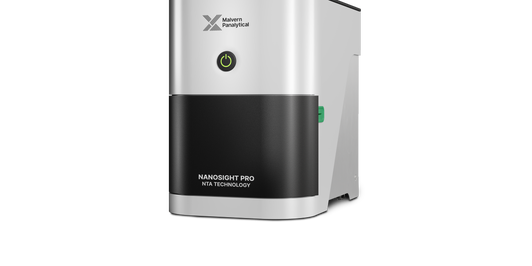
O NanoSight Pro utiliza a Análise de Rastreamento de Nanopartículas (NTA) para visualizar a luz dispersa por objetos individuais em escala nanométrica que se movem sob movimento browniano. O sistema registra esse movimento e rastreia cada objeto individualmente. O coeficiente de difusão translacional está relacionado ao diâmetro hidrodinâmico equivalente por meio da equação de Stokes-Einstein.
Esta abordagem, que analisa cada partícula individualmente, fornece uma distribuição de tamanho baseada em números, além de uma medição da concentração de partículas. Ela é particularmente valiosa quando os pesquisadores precisam investigar amostras heterogêneas, comparar diferentes condições de geração ou identificar alterações em uma população que podem ser ocultadas por uma média da população.
O NanoSight Pro pode apoiar pesquisas sobre nanobolhas permitindo que os cientistas:
A NTA detecta e caracteriza objetos que dispersam luz, mas as medições de dispersão por si só não comprovam que todos os objetos detectados sejam bolhas cheias de gás. Nanopartículas sólidas, gotículas, micelas e contaminantes também podem contribuir para a população medida. Portanto, ao confirmar a identidade de nanobolhas, especialmente em amostras complexas, é essencial utilizar controles adequados e técnicas analíticas complementares.
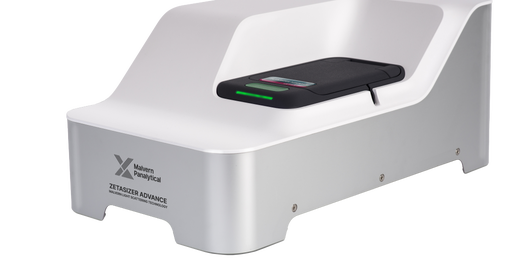
A linha Zetasizer Advance oferece medições complementares em conjunto, utilizando técnicas como a dispersão dinâmica de luz (DLS) e a dispersão eletroforética de luz (ELS).
A técnica DLS mede as flutuações da luz dispersa, geradas pelo movimento browniano de um conjunto de partículas ou bolhas. Ela fornece uma medição de tamanho hidrodinâmico ponderada pela intensidade e pode ser utilizada para avaliar a qualidade geral da amostra, monitorar alterações na dispersão e investigar a estabilidade ao longo do tempo.
As medições de potencial zeta fornecem informações sobre o comportamento eletrocinético da população dispersa. A magnitude e a direção do potencial zeta medido podem ajudar os pesquisadores a investigar como a carga superficial, o pH, a condutividade e a composição da formulação influenciam as interações dentro da amostra.
Juntos, NanoSight Pro e Zetasizer Advance fornecem perspectivas complementares:
As nanobolhas têm uma ampla gama de aplicações nos setores farmacêutico, ambiental, biológico e de materiais avançados.
Saiba mais sobre cada aplicação abaixo.
Nanobolhas estão sendo investigadas como potenciais transportadoras e sistemas de liberação responsivos para aplicações farmacêuticas. Dependendo de sua composição e funcionalização, elas podem auxiliar na liberação localizada, na liberação controlada ou na ativação por meio de estímulos externos, como ultrassom.
Nessas aplicações, o tamanho e a concentração podem influenciar a circulação, as interações celulares, a eficiência de carregamento, a resposta terapêutica e a segurança. Uma população ampla ou em constante mudança também pode afetar a consistência da dose e a reprodutibilidade dos estudos pré-clínicos.
O NanoSight Pro fornece distribuições de tamanho baseadas em números e medições de concentração que ajudam os pesquisadores a comparar formulações, monitorar alterações durante o desenvolvimento e avaliar a consistência entre diferentes lotes. O Zetasizer Advance complementa essas medições ao fornecer dados sobre o tamanho médio das partículas e o potencial zeta, essenciais para estudos de formulação e estabilidade.
Juntas, essas técnicas podem contribuir para uma compreensão mais completa de como as condições de formulação influenciam as propriedades físicas de um sistema de entrega baseado em nanobolhas.
As interfaces entre gases e líquidos podem afetar proteínas e outros materiais biológicos sensíveis. Portanto, as nanobolhas podem ser relevantes para estudos que envolvem a estabilidade das proteínas, agregação, comportamento de formulações e consistência de processos.
Formulações biológicas podem conter diversas populações em escala nanométrica, como proteínas, agregados, vesículas, estruturas de excipientes e outros materiais particulados. Essa complexidade torna o planejamento experimental cuidadoso especialmente importante.
O NanoSight Pro pode medir o tamanho e a concentração de objetos detectáveis que espalham luz e revelar alterações em populações heterogêneas. Quando marcadores fluorescentes adequados estão disponíveis, a NTA com capacidade de fluorescência pode ajudar a distinguir partículas biológicas marcadas da população geral de espalhamento.
O Zetasizer Advance pode auxiliar na investigação do tamanho em conjunto, tendências de agregação e potencial zeta. Usadas em conjunto com controles adequados, essas medições podem ajudar pesquisadores a investigar as relações entre nanobolhas, partículas biológicas e estabilidade de formulações.
As nanobolhas estão sendo investigadas e aplicadas em processos de tratamento de água devido à sua grande área de interface e à sua dispersão prolongada, o que pode melhorar a transferência de gases e a interação com contaminantes suspensos ou dissolvidos.
Aplicações potenciais incluem:
O NanoSight Pro pode medir alterações no tamanho e na concentração da população nanométrica detectável à medida que os parâmetros de geração ou as condições da água mudam. Essas informações podem ajudar os pesquisadores a comparar o desempenho de geradores, analisar a persistência dos nanobolhas e investigar os efeitos das condições de tratamento.
Água natural e águas residuais podem conter coloides, microrganismos, partículas minerais e matéria orgânica que também espalham luz. Portanto, os dados de NTA devem ser interpretados em conjunto com controles não tratados adequados e, quando necessário, métodos complementares capazes de confirmar a identidade química ou gasosa.
O Zetasizer Advance pode fornecer informações adicionais sobre alterações no tamanho em conjunto e no potencial zeta à medida que variam o pH, a condutividade, a força iônica ou a carga de contaminantes.
As nanobolhas podem influenciar superfícies de partículas, nucleação, dispersão, flotação e reações químicas. Esses efeitos são relevantes para áreas como processamento mineral, desenvolvimento de catalisadores, síntese de nanopartículas, limpeza de superfícies e produção de materiais funcionais.
O desempenho de um processo auxiliado por nanobolhas pode depender do número de bolhas presentes, da sua distribuição de tamanho e da sua interação com partículas sólidas ou interfaces líquidas.
O NanoSight Pro pode revelar distribuições baseadas em número e mudanças na heterogeneidade da população, ajudando os pesquisadores a comparar condições de processamento e avaliar a reprodutibilidade. O Zetasizer Advance complementa essas análises com medições de tamanho em conjunto e potencial zeta, que podem ser usadas para investigar a estabilidade da dispersão e as interações entre partículas e bolhas.
Essa abordagem combinada pode ajudar a relacionar as mudanças em escala nanométrica dentro do líquido à eficiência do processo e ao desempenho final do material.
As nanobolhas estão sendo exploradas em aplicações como oxigenação, limpeza, sanitização, lavagem e gestão de água de processo. Sua capacidade de introduzir gases com uma grande área de interface pode criar oportunidades para melhorar a eficiência do processo, ao mesmo tempo que reduz o consumo de água, produtos químicos e energia.
Para que esses benefícios sejam comprovados, a população de nanobolhas gerada deve ser caracterizada em condições de processamento relevantes. Alterações em sólidos dissolvidos, óleos, proteínas, surfactantes ou outros ingredientes podem afetar tanto o comportamento das nanobolhas quanto o resultado analítico.
O NanoSight Pro pode ser utilizado para comparar o tamanho e a concentração de populações nanométricas detectáveis sob diferentes condições de tratamento. O Zetasizer Advance pode apoiar investigações de tamanho em conjunto e estabilidade, ajudando os pesquisadores a determinar como mudanças na formulação ou na química do processo influenciam o sistema.
Nanobolhas estão sendo estudadas em formulações cosméticas, sistemas de limpeza e processos que envolvem a aplicação ou dispersão de ingredientes ativos. Seus efeitos potenciais sobre o comportamento interfacial também podem influenciar textura, formação de espuma, estabilidade e desempenho sensorial dos produtos.
As formulações cosméticas são frequentemente complexas e podem conter gotículas emulsificadas, micelas, pigmentos, polímeros e partículas sólidas. Esses componentes podem se sobrepor à faixa de tamanho das nanobolhas e contribuir para as medições de espalhamento de luz.
O NanoSight Pro pode fornecer informações detalhadas sobre a distribuição de tamanho baseada em número e a concentração de objetos detectáveis em amostras devidamente preparadas. O Zetasizer Advance pode então fornecer medições complementares de tamanho em conjunto e potencial zeta.
O uso cuidadoso de espaços em branco, controles de formulação e técnicas ortogonais é essencial ao atribuir uma população medida especificamente às nanobolhas.
O valor das nanobolhas depende de mais do que sua simples presença. Os pesquisadores precisam estabelecer como a população medida se relaciona com o desempenho da aplicação.
Um programa de caracterização estruturado pode ajudar a responder questões práticas, como:
O NanoSight Pro fornece informações detalhadas sobre o tamanho e a concentração de cada partícula, essenciais para analisar mudanças populacionalmente. O Zetasizer Advance oferece medições de tamanho de partículas em conjunto e de potencial zeta, o que pode ajudar a explicar a estabilidade e as interações dentro de uma dispersão mais ampla.
Ao combinar essas informações complementares com controles adequados e dados de desempenho específicos da aplicação, os pesquisadores podem evoluir de simplesmente gerar nanobolhas para compreender e controlar o processo.
As nanobolhas têm potencial para contribuir para uma transferência de gás mais eficiente, uma liberação mais direcionada e processos industriais mais sustentáveis. Suas aplicações estão se expandindo, mas o desenvolvimento bem-sucedido depende de medições cientificamente fundamentadas.
Uma caracterização confiável permite que os pesquisadores comparem tecnologias de geração, otimizem condições de processo, monitorem a estabilidade e estabeleçam a reprodutibilidade. Isso também ajuda a distinguir o comportamento real de nanobolhas dos efeitos causados por contaminantes, partículas sólidas ou outras estruturas em escala nanométrica presentes na amostra.
Quando os cientistas conseguem visualizar, medir e quantificar a população em escala nanométrica, e combinar esses resultados com medições complementares do tamanho do conjunto e do potencial zeta, eles podem tomar decisões mais assertivas durante as etapas de pesquisa, desenvolvimento e otimização de processos.
Respostas rápidas para as perguntas mais frequentes.
Nanobolhas são cavidades minúsculas, preenchidas com gás, dispersas em um líquido. As definições variam, mas nanobolhas em volume são geralmente descritas como bolhas submicrométricas, com muitas populações relatadas apresentando tamanho inferior a aproximadamente 200 nanômetros.
As nanobolhas são utilizadas ou estudadas em tratamento de água e águas residuais, administração de fármacos, bioprocessamento, aquicultura, agricultura, produção de alimentos, materiais avançados, processamento mineral e limpeza de superfícies. Seu valor potencial está relacionado ao seu tamanho reduzido, à grande área de interface e à capacidade de permanecerem dispersos em líquidos.
Nanobolhas estão sendo investigadas como transportadoras e sistemas de liberação ativados externamente. Seu tamanho, concentração, composição e estabilidade podem influenciar o carregamento, a dosagem, as interações biológicas e o desempenho terapêutico, tornando a caracterização confiável essencial durante o desenvolvimento.
As nanobolhas podem ser investigadas utilizando métodos complementares que avaliam tamanho, concentração, comportamento eletrocinético e estabilidade. O NanoSight Pro utiliza a tecnologia NTA para fornecer distribuições de tamanho hidrodinâmico baseadas em números e medições de concentração. O Zetasizer Advance oferece análise complementar de tamanho de partículas e potencial zeta.
A NTA visualiza e rastreia objetos que espalham luz, mas as medições de espalhamento isoladas não conseguem distinguir de forma conclusiva nanobolhas preenchidas com gás de partículas sólidas, gotículas ou outras estruturas em escala nanométrica. Ao confirmar a identidade das nanobolhas, é essencial utilizar espaços em branco adequados, controles apropriados e métodos analíticos complementares.
A concentração pode influenciar a capacidade de transferência de gases, a dosagem, a eficiência das reações e as interações com partículas ou sistemas biológicos. O monitoramento da concentração também ajuda os pesquisadores a comparar o desempenho de geradores e a avaliar a consistência entre experimentos ou lotes de produção.
O potencial zeta fornece informações sobre o comportamento eletrocinético das partículas dispersas. Isso pode ajudar os pesquisadores a investigar como a carga interfacial, o pH, a força iônica e a composição da formulação influenciam as interações e a estabilidade em um sistema de nanobolhas.
As populações de nanobolhas podem sofrer alterações por meio de processos como dissolução, coalescência, agregação ou interação com outros componentes da amostra. Medir o tamanho e a concentração em momentos específicos ajuda a determinar a persistência, a estabilidade e o momento ideal para o processamento ou aplicação.
O NanoSight Pro fornece medições de tamanho e concentração de partículas de forma individual e baseada em contagem, enquanto o Zetasizer Advance oferece dados sensíveis sobre o tamanho médio das partículas e o potencial zeta. A combinação das duas técnicas proporciona uma visão mais completa da população e ajuda a aprimorar a interpretação de sistemas complexos de nanobolhas.