![[Creoptix WAVE chip decision tree.png] WAVEchip decision tree v3.png](https://dam.malvernpanalytical.com/ef5d47b7-3fa2-4efa-8723-b2a6009413e9/WAVEchip%20decision%20tree%20v3_Original%20file.png)
WAVEsystem: KYMAchip storage and reuse guide
WAVEsystem: KYMAchip storage and reuse guide

Kunden können KYMAchips direkt bei MyStore kaufen. Erfahren Sie mehr
Erfahren Sie mehr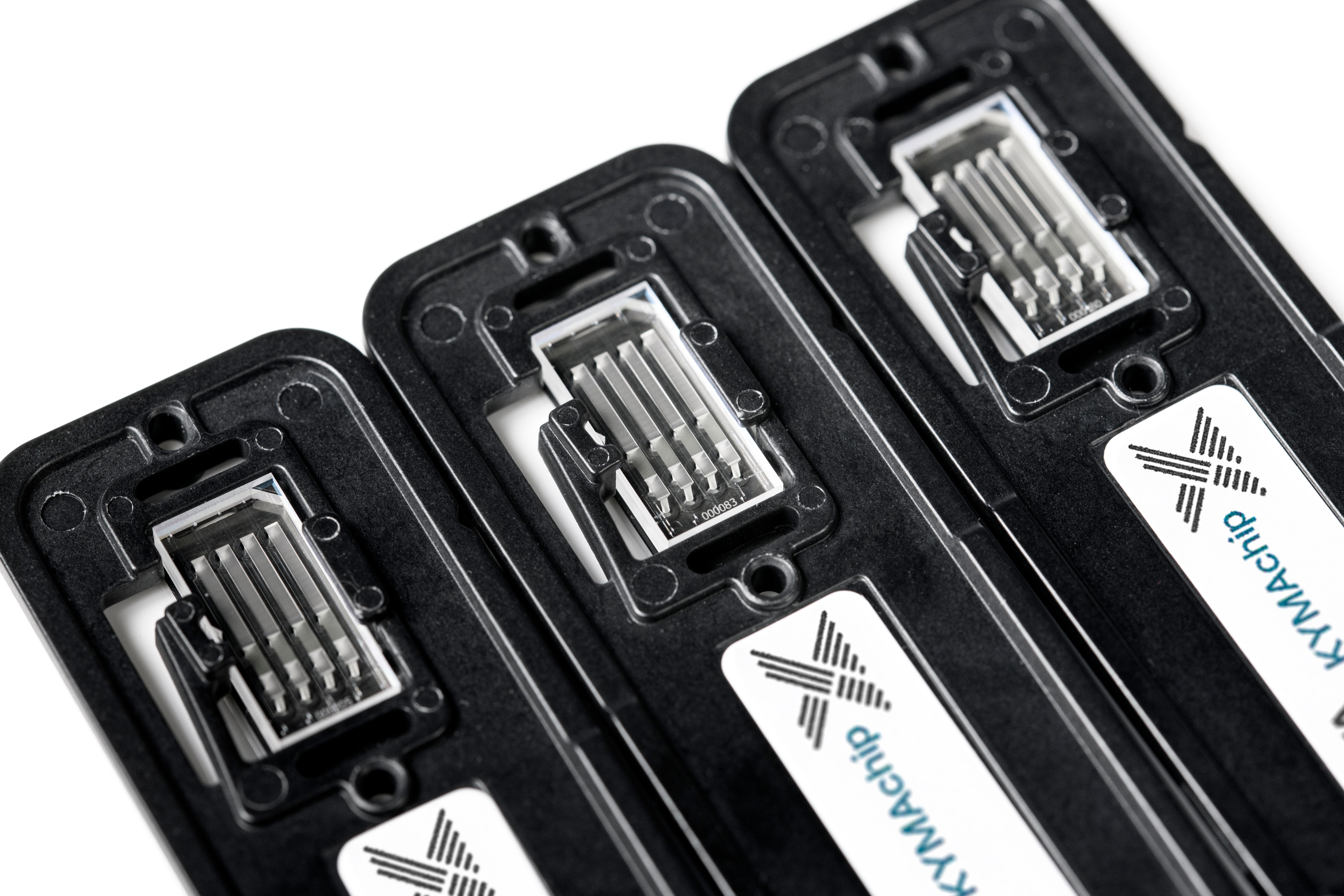
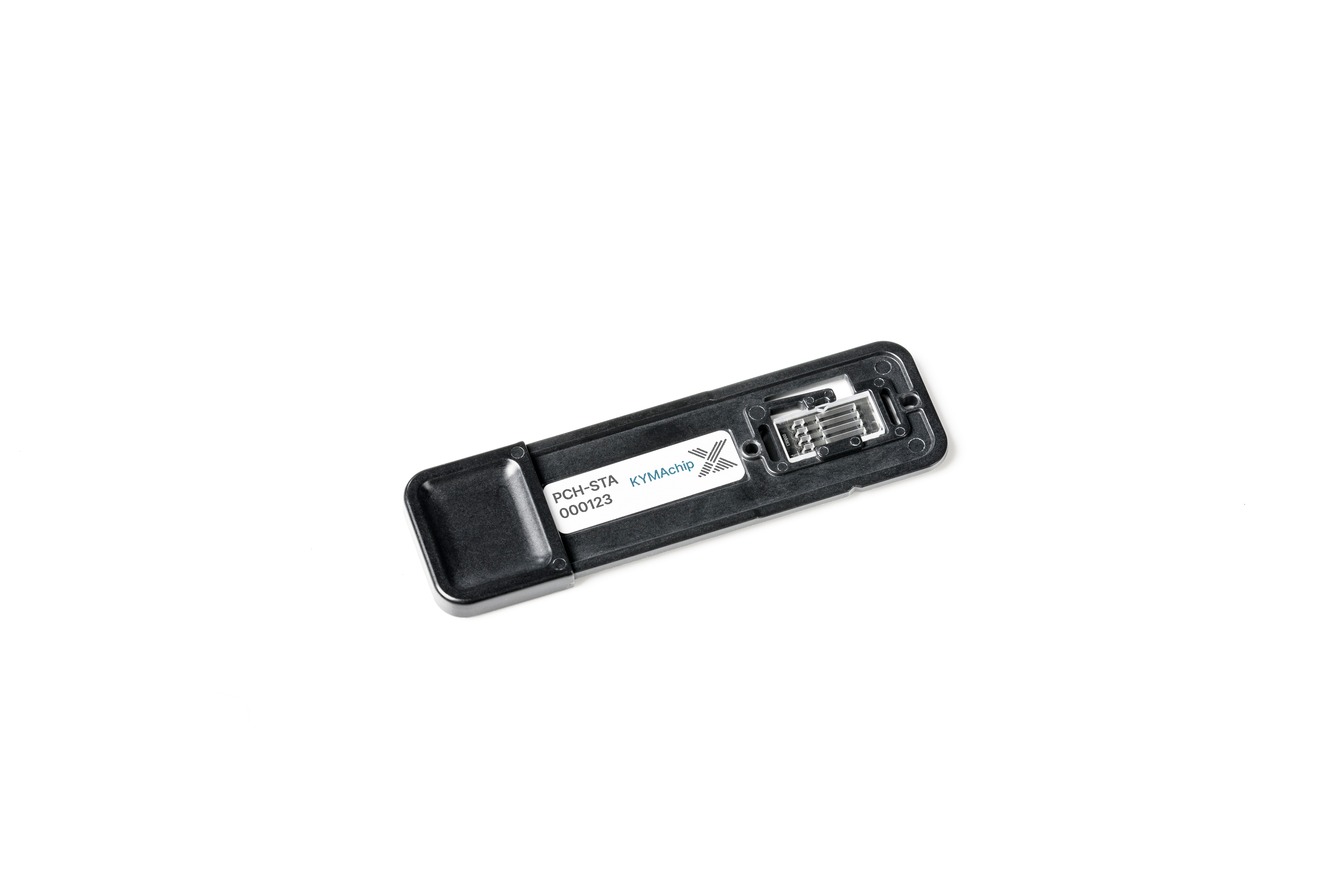
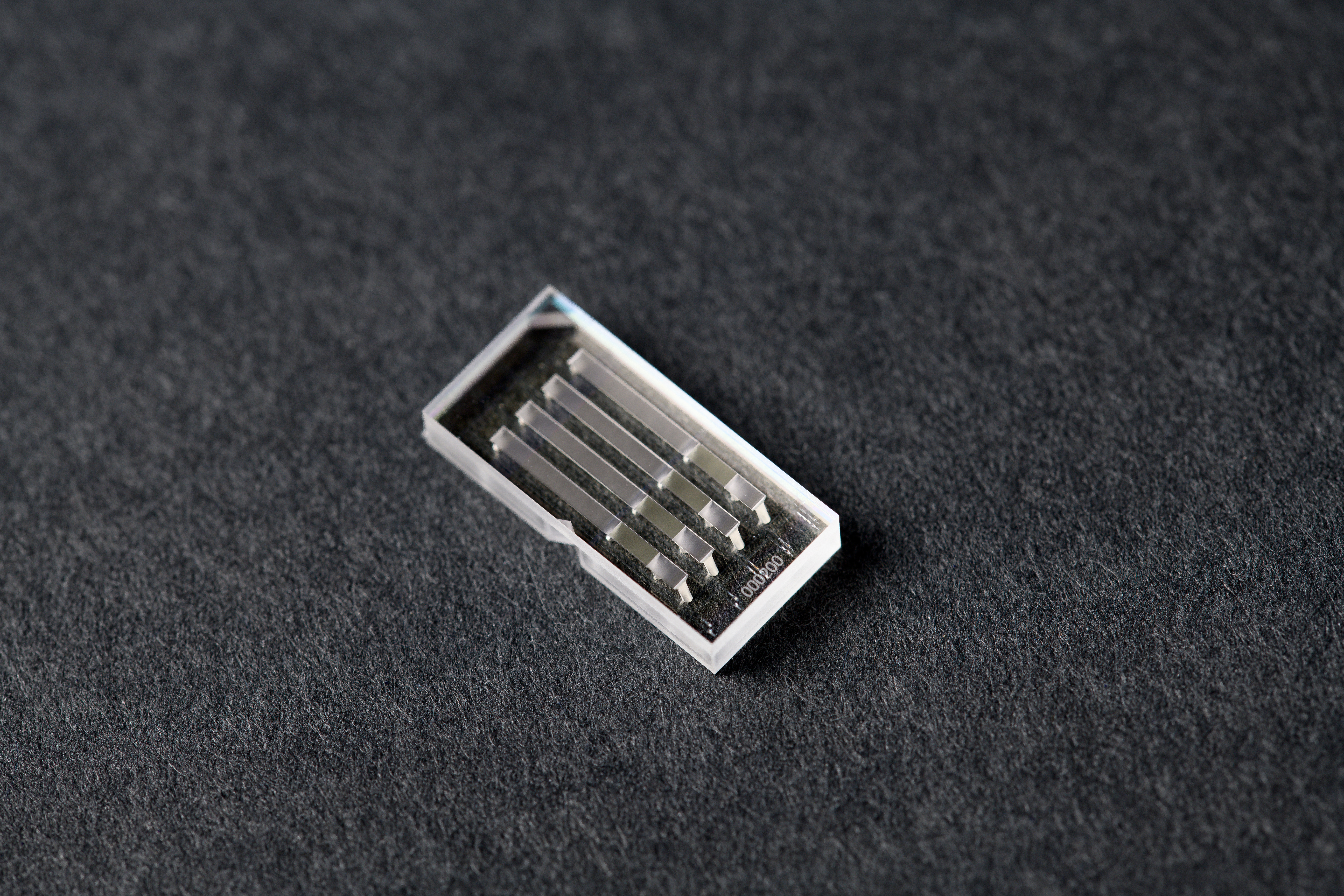
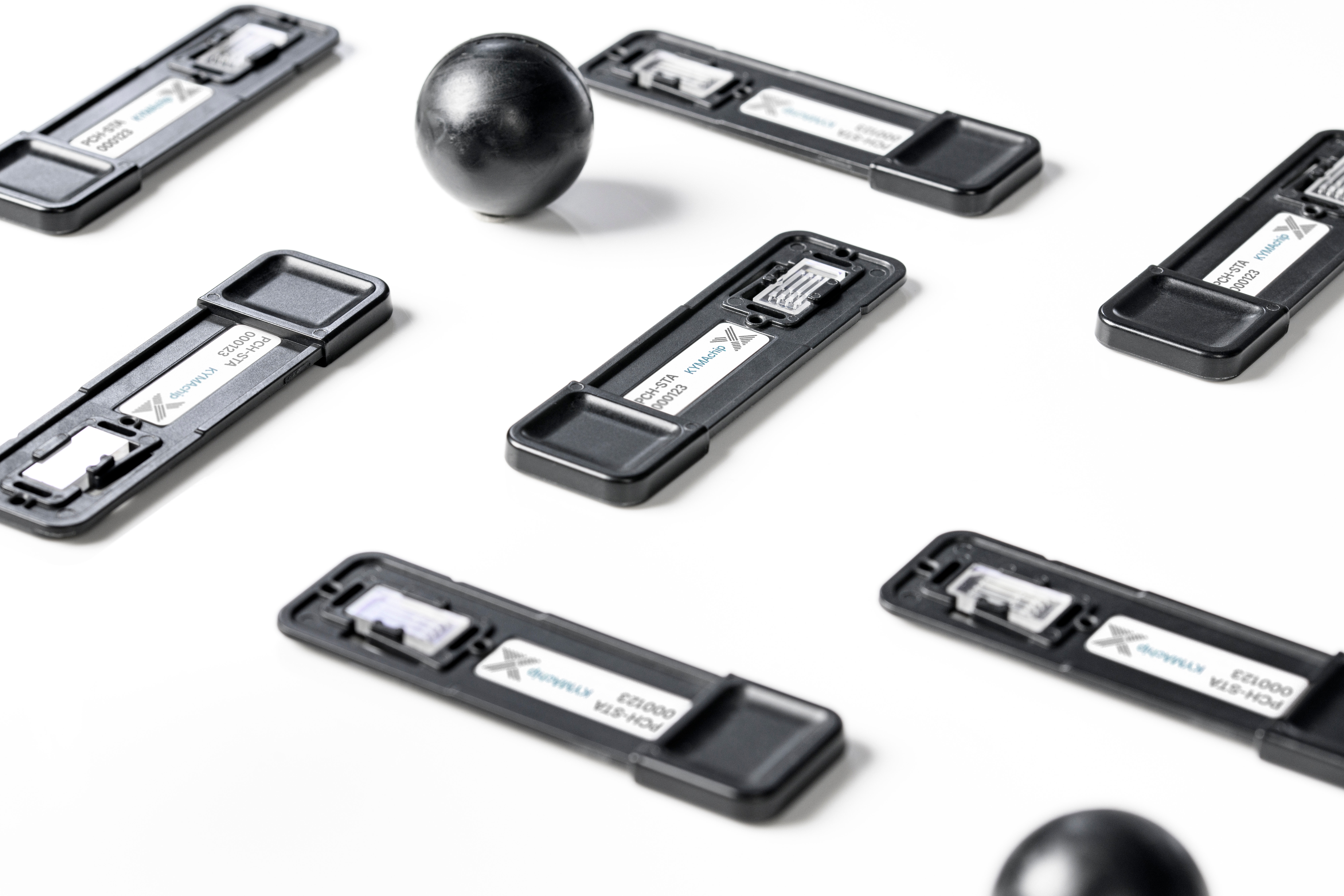
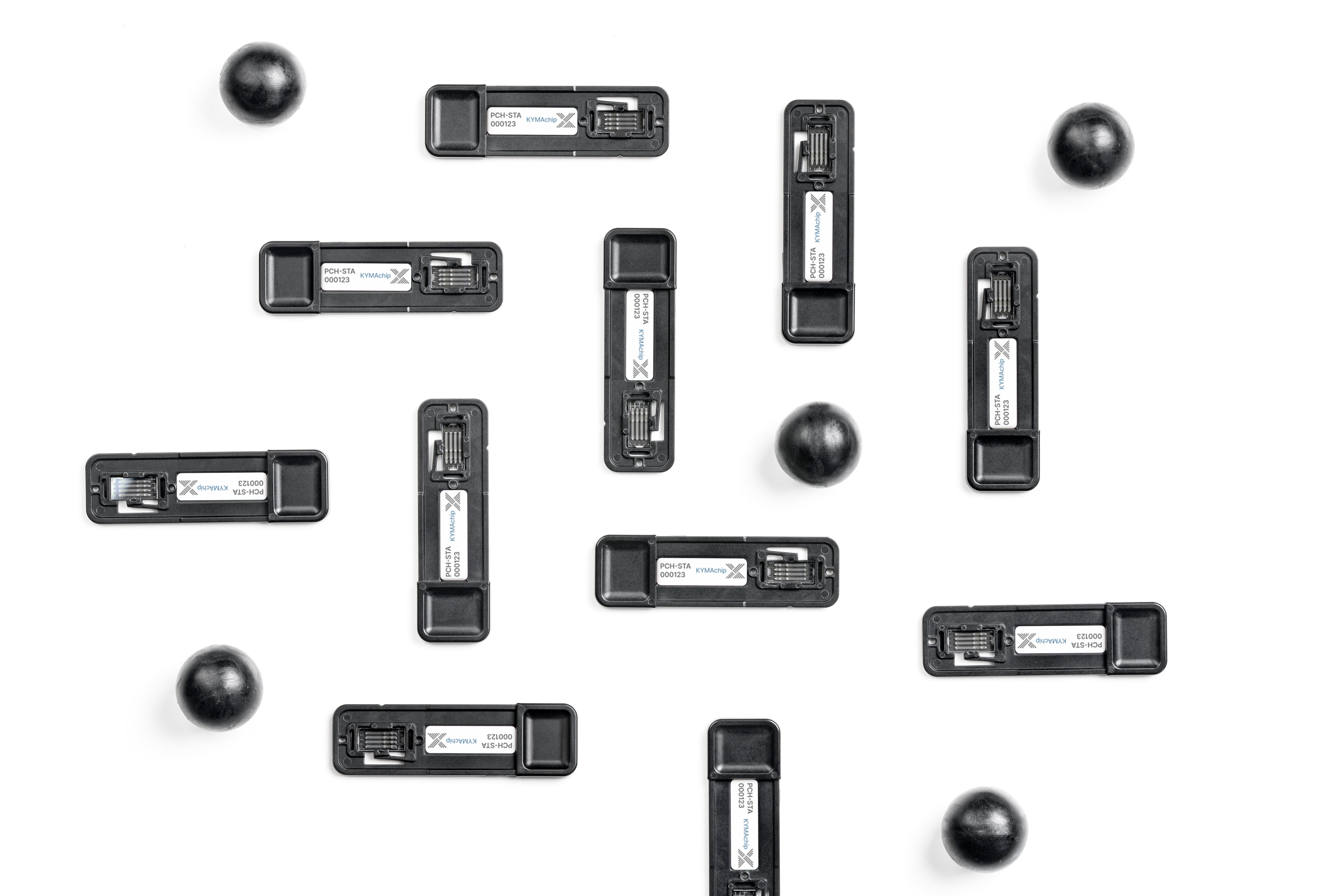
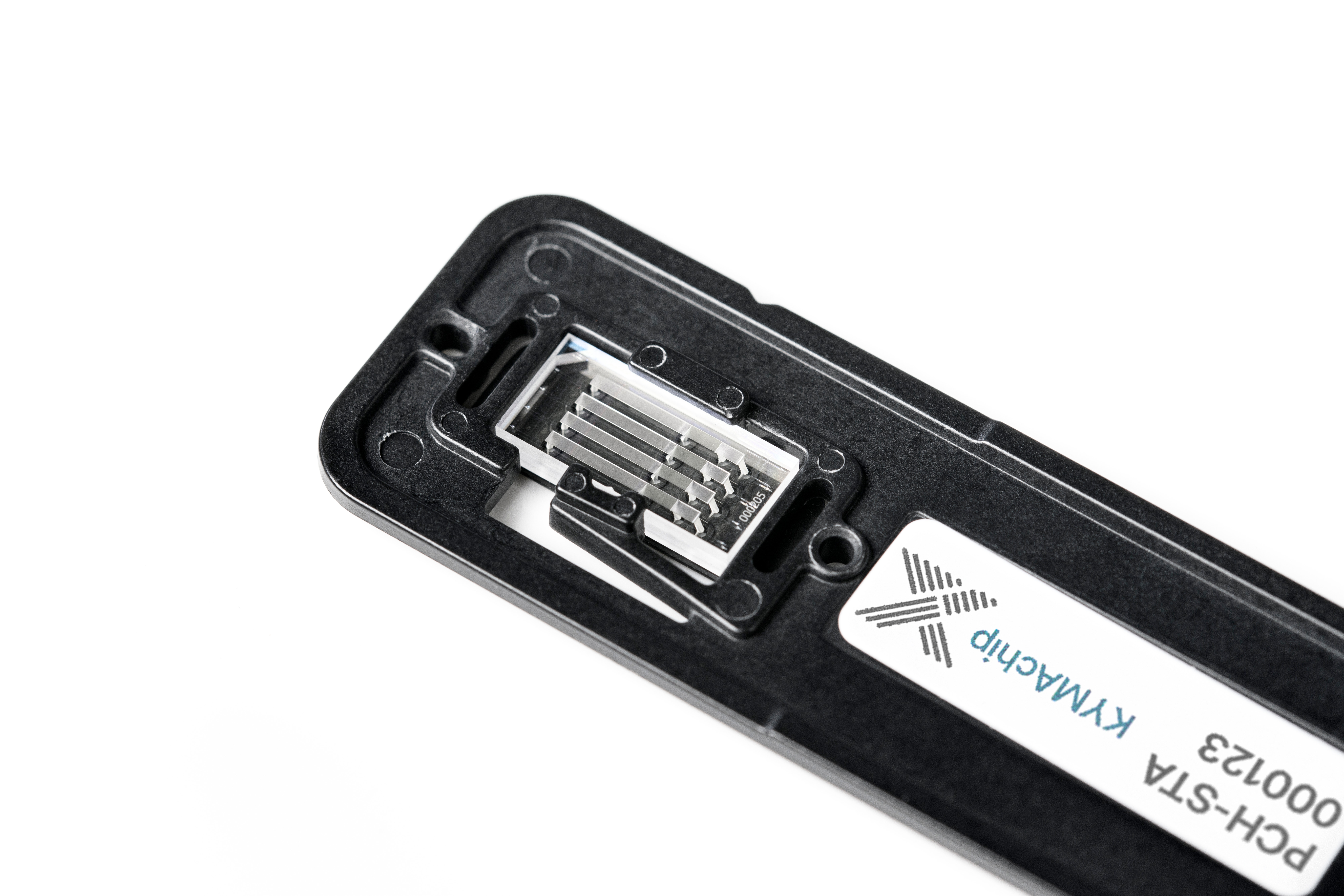
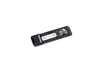
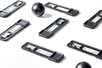
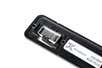
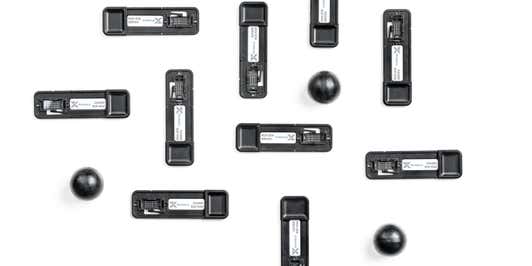
Als nächste Entwicklungsstufe der Sensorchips für das WAVEsystem bietet der KYMAchip eine breite Probenkompatibilität sowie ein verstopfungsfreies Design und verfügt nun über präzise definierte Kanäle für äußerst konsistente Daten.
Suchen Sie weitere Informationen?
Um ein Angebot oder weitere Informationen anzufordern oder eine Broschüre herunterzuladen, wählen Sie unten eine Option aus.
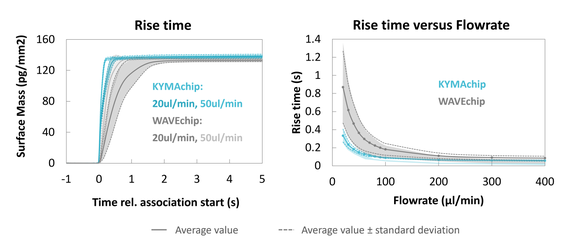
Unsere Mikrofluidik-Einsätze ermöglichen seit Jahren die biophysikalische Gitter-gekoppelte Interferometrie (GCI) auf dem WAVEsystem und unterstützen Anwendungen, die von großen Partikeln über Rohproben bis hin zu Membranproteinen reichen. KYMAchip, die nächste Generation des WAVEchips, erzeugt die gleichen hochwertigen kinetischen Daten wie sein Vorgänger, aber mit reduzierter Anstiegszeit; Signalübergänge sind noch schärfer als zuvor, was genauere Bindungsmessungen ermöglicht. Das neue verbesserte Kanaldesign reduziert die Schwankungen zwischen den Kanälen und sorgt so für mehr Gewissheit bei der kinetischen Analyse – und das in kürzerer Zeit.
Der KYMAchip kann gelagert und wiederholt verwendet werden. Profitieren Sie vom neuen KYMAchip, ohne Kompromisse bei der Datenqualität einzugehen oder Ihre bestehenden Workflows zu ändern.
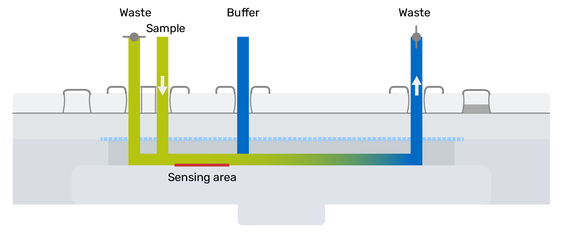
Die neu gestalteten Kanäle ermöglichen einen schnellen Wechsel zwischen Puffer und Probe, was zu schnellen Signalübergängen führt, die eine genaue Messung selbst der schnellsten Dissoziationsraten (bis zu 10 s⁻¹) und komplexen Wechselwirkungen ermöglichen.
Dank der verbesserten Robustheit kann der KYMAchip gelagert und wiederverwendet werden, wobei die bewährte, verstopfungsfreie Mikrofluidik für ein möglichst breites Anwendungsspektrum von kleinen Molekülen bis hin zu Membranproteinen erhalten bleibt.
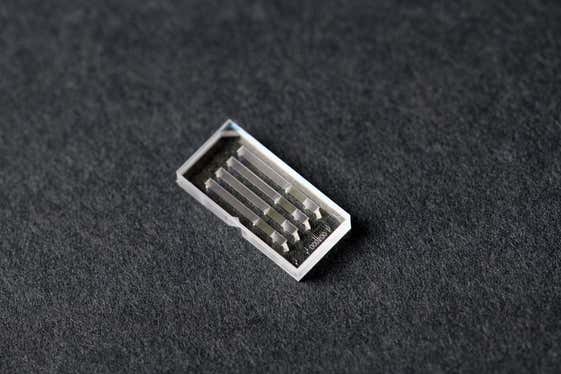
Eine genau definierte Kanalarchitektur reduziert die Kanalvariabilität und liefert reproduzierbarere Daten.

Die parallelen Durchflusszellen und die neu gestalteten Kanäle des KYMAchips optimieren den Wechsel vom Puffer zur Probe und ermöglichen so noch schnellere Probenwechsel, was zu einer verbesserten zeitlichen Auflösung bei schnellen Assoziations- und Dissoziationsvorgängen führt. Das Ergebnis sind klarere Sensorgramme und eine zuverlässigere kinetische Analyse bei schwach bindenden Wechselwirkungen.
Die präzise definierten Kanäle des KYMAchips verringern die Kanalvariabilität und bieten:
Dies verbessert die Reproduzierbarkeit über mehrere Replikate hinweg, liefert konsistente kinetische Parameter und vereinfacht die Datenanalyse.
Die Konsistenz des KYMAchips trägt zur branchenführenden Empfindlichkeit des WAVEsystems bei: Er ermöglicht die Auflösung von Kinetiken anhand von Signalen unterhalb von 1 pg/mm² (1 RU), bei einem Rauschen unter 0,01 pg/mm² und einer Basisliniendrift unter 0,3 pg/mm²/min, und zwar bei Molekulargewichtsverhältnissen von Ligand zu Analyt von bis zu 1000:1.
Das innovative Fluidik-Design des KYMAchips integriert die gesamte Mikrofluidik in den Chip selbst und nicht in das WAVEsystem. Zudem werden im Gerät Standardventile mit großem Durchmesser nachgeschaltet, anstatt Mikroventile in der Nähe des Chips zu nutzen.
Das WAVEsystem bietet eine Robustheit gegenüber Rohproben, wie sie normalerweise nur bei plattenbasierten Assays erreicht wird.
KYMAchip ist mit einer Vielzahl von Probentypen kompatibel, darunter:
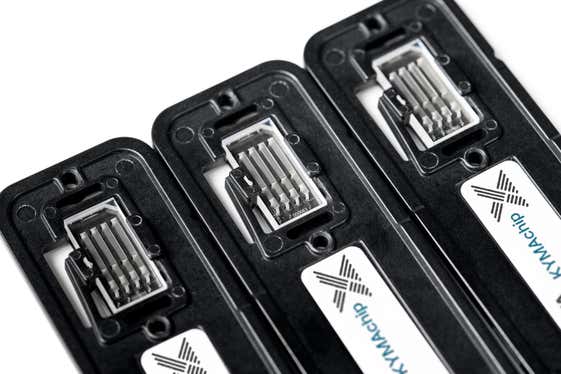
Die chemikalienbeständige Kartusche ist mit aggressiven Lösungsmitteln kompatibel und ermöglicht somit die Nutzung hoher Konzentrationen von DMSO, Acetonitril und anderen für Fragmentbibliotheken typischen organischen Lösungsmitteln sowie von viskosen Reinigungsmitteln. Das ermöglicht die Untersuchung von Solubilisierungs- und Aufreinigungsbedingungen für Membranproteine sowie eine zuverlässige und überzeugende Charakterisierung anspruchsvoller Zielmoleküle.
Da der KYMAchip im Vergleich zum WAVEchip eine höhere Robustheit aufweist, kann er zudem aus dem WAVEsystem entnommen und wieder eingesetzt werden, sodass er gelagert und wiederverwendet werden kann.
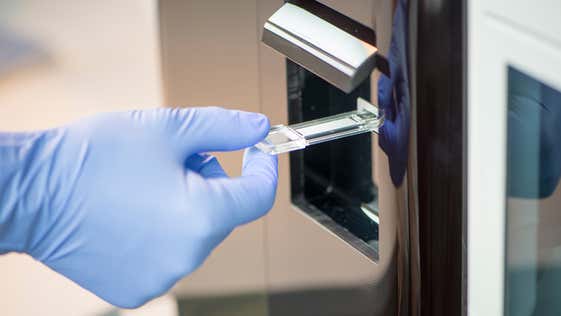
Zeitaufwändige Reinigungsschritte und Verstopfungen führen häufig dazu, dass andere Systeme ausfallen.
Im Gegensatz dazu verarbeitet die verstopfungsfreie Mikrofluidik des KYMAchips auch Rohproben und komplexe Proben, ohne dass Ihren Bedienern zusätzlicher Arbeitsaufwand entsteht. Sie erhalten so schnell qualitativ hochwertige Daten mit hervorragender Auflösung in Signal und Zeit.
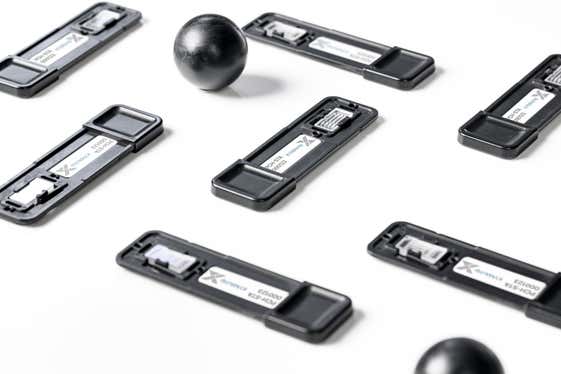
| WAVEchip-Sensor | Oberflächenmatrix des Sensors | Immobilisierungsmodalität | Anwendungsvorschläge |
|---|---|---|---|
| PCP | Quasi-planares PC-Hydrogel | Aminkopplung | Große Liganden und/oder Analyten wie Proteo-/Liposome, Viren, VLP |
| PCP-STA | Vorimmobilisiertes Streptavidin
Quasi-planares PC-Hydrogel | Biotin | Große biotinylierte Liganden, Analyte wie Liposome, Viren, VLP |
| PCP-RST | Regenerierbare Streptavidin-Oberfläche
Quasi-planares PC-Hydrogel | Biotin | Große biotinylierte Liganden, Liganden-Screening |
| PCP-PAG | Vorimmobilisiertes Fusionsprotein A/G
Quasi-planares PC-Hydrogel | IgG | Zur Erfassung eines möglichst breiten Spektrums an IgG- und FC-markierten Proteinen |
| PCP-NTA | Vorimmobilisiertes NTA,
Quasi-planares PC-Hydrogel | His-Tag | Große His-markierte Liganden, Analyten wie Liposome, Viren, VLP |
| PCP-LIP | Vorimmobilisierte lipophile Gruppen
Quasi-planares PC-Hydrogel | Lipid | Hydrophobe (große) Liganden wie Liposome, Membranvesikel |
| PCZ | Funktionalisiert mit einem zwitterionischen Polymer, das Karbonsäuren und tertiäre Amine in ähnlichen Dichten enthält, Quasi-planares PC-Hydrogel | Aminkopplung | Geringe Verschmutzung, ideal für die Kopplung von Proteinen mit niedrigen isoelektrischen Punkten oder polyanionischen Liganden |
| PCL | Ein dickes PC-Hydrogel mit niedriger Kapazität und einem geringeren Anteil an negativen Ladungen (ca. 25 %) | Aminkopplung | Komplexe Matrizen wie Serum, Kulturüberstand. Erfordert Sulfo-NHS zur Aktivierung |
| PCH | Dickes PC-Hydrogel | Aminkopplung | Hohes Verhältnis von Molekulargewicht des Liganden zum Molekulargewicht des Analyten, universell einsetzbar |
| PCH-NTA | Vorimmobilisiertes NTA
Dickes PC-Hydrogel | His-Tag | His-markierte Universal-Liganden |
| PCH-STA | Vorimmobilisiertes Streptavidin
Dickes Hydrogel | Biotin | Biotinylierte Universal-Liganden |
| PCH-RST | Regenerierbare Streptavidin-Oberfläche
Dickes Hydrogel | Biotin | Biotinylierte Liganden, Liganden-Screening |
| DXP | Quasi-planares DX-Hydrogel | Aminkopplung | Große Liganden und/oder Analyten wie Proteo-/Liposome, Viren, VLP |
| DXH-STA | Vorimmobilisiertes Streptavidin
Dickes DX-Hydrogel | Biotin | Biotinylierte Universal-Liganden |
| DXH | Dickes DX-Hydrogel | Aminkopplung | Hohes Verhältnis von Molekulargewicht des Liganden zum Molekulargewicht des Analyten, universell einsetzbar |
| PC- = Polycarboxylat, DX- = Carboxymethyldextran.
DX-beschichtete Sensoren auf Anfrage erhältlich | |||
WAVEsystem: KYMAchip storage and reuse guide
Sowohl KYMAchips als auch die ursprünglichen WAVEchips bieten:
Der neue KYMAchip bietet:
KYMAchips sind mit einer Vielzahl von Proben kompatibel, darunter:
Dies hängt vom Chiptyp, der Immobilisierungsmethode und dem Ligandenverhalten ab. Mit einem His-Tag markierte Liganden auf Ni-NTA-Oberflächen sowie Liganden auf Protein-A/G-Oberflächen können mehrfach regeneriert und erneut angereichert werden. Dank der neu gestalteten Kanäle des KYMAchips ist dieser besonders robust, sodass der Chip zur Wiederverwendung entnommen, gelagert und wieder eingesetzt werden kann.
Die Immobilisierungskapazität hängt vom Chiptyp und der Immobilisierungsmethode ab. Der Chip mit der höchsten Kapazität im WAVEsystem-Portfolio, der 4PCH WAVEchip, kann bis zu 35.000 pg/mm2 BSA immobilisieren; die experimentelle Kapazität hängt jedoch vom genauen verwendeten Liganden ab.
Die WAVEcontrol-Software verfügt über einen integrierten Simulator, der bei der Bestimmung der Ligandendichte hilft, die für ein akzeptables theoretisches Ansprechen erforderlich ist.
| Titel | Version | Datum | Herunterladen |
|---|---|---|---|
| {{ row.title }} | {{ row.softwareVersion }} | {{ row.date }} | Herunterladen |
Leider sind für dieses Produkt keine Handbücher verfügbar
| Titel | Version | Datum | Herunterladen |
|---|---|---|---|
| {{ row.title }} | {{ row.softwareVersion }} | {{ row.date }} | Herunterladen |
Leider sind für dieses Produkt keine Software-Downloads verfügbar
Der KYMAchip der nächsten Generation baut auf der bewährten Leistungsfähigkeit des WAVEchip auf und liefert präzisere Signalübergänge, eine höhere Konsistenz sowie die Möglichkeit, den Chip zu lagern und wiederzuverwenden