

Looking for more information?
To request a quote, more information or download a brochure select an option below.
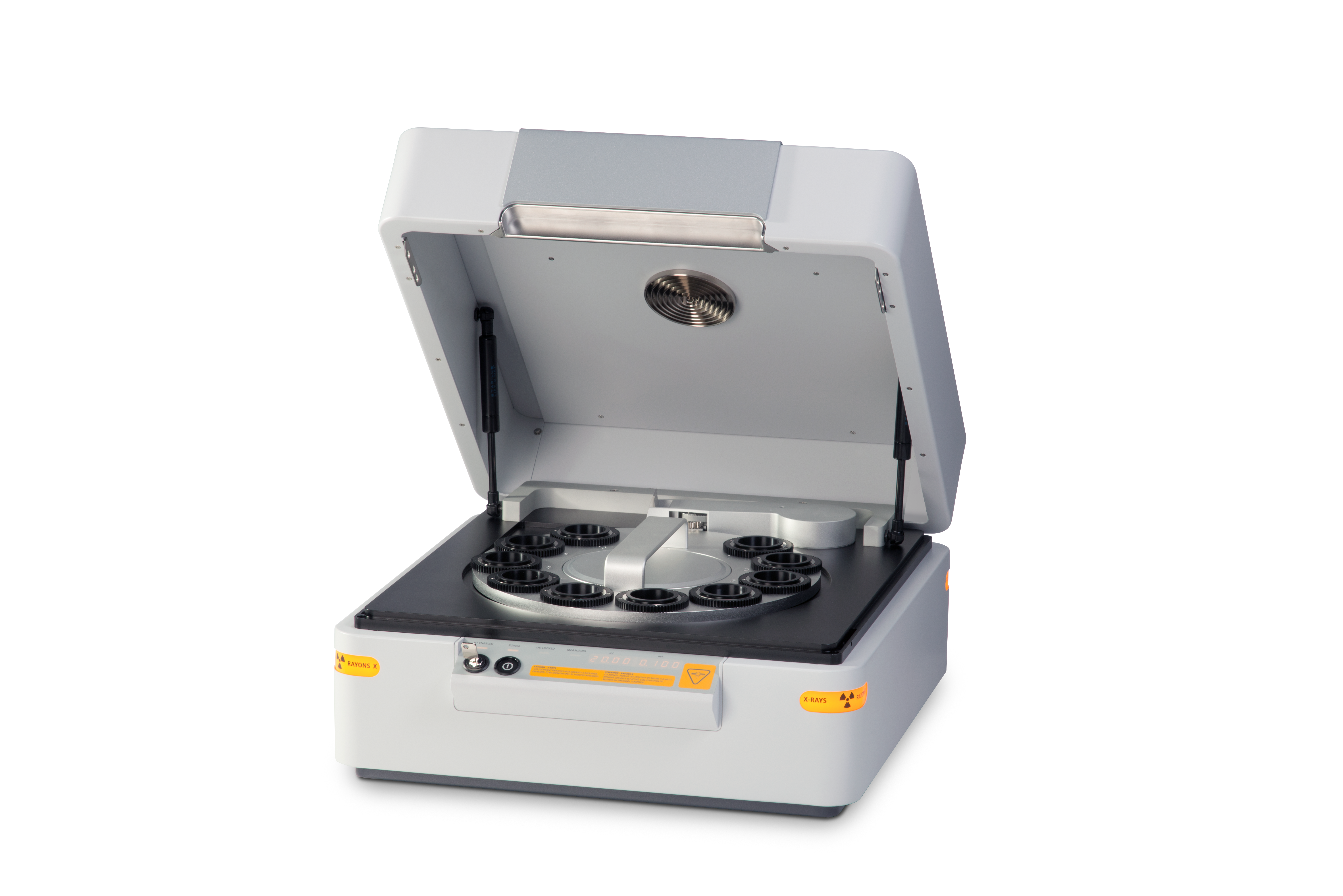
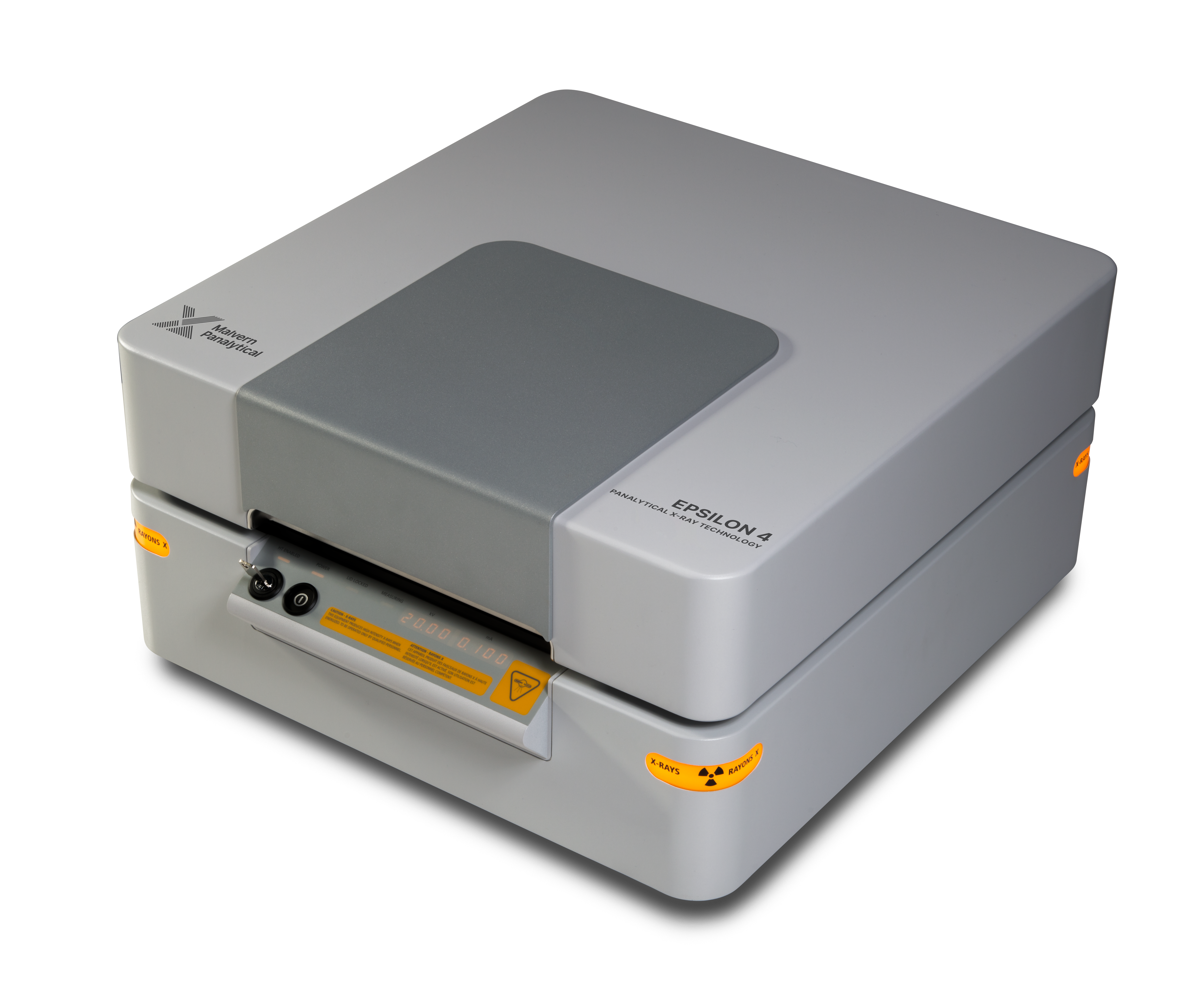
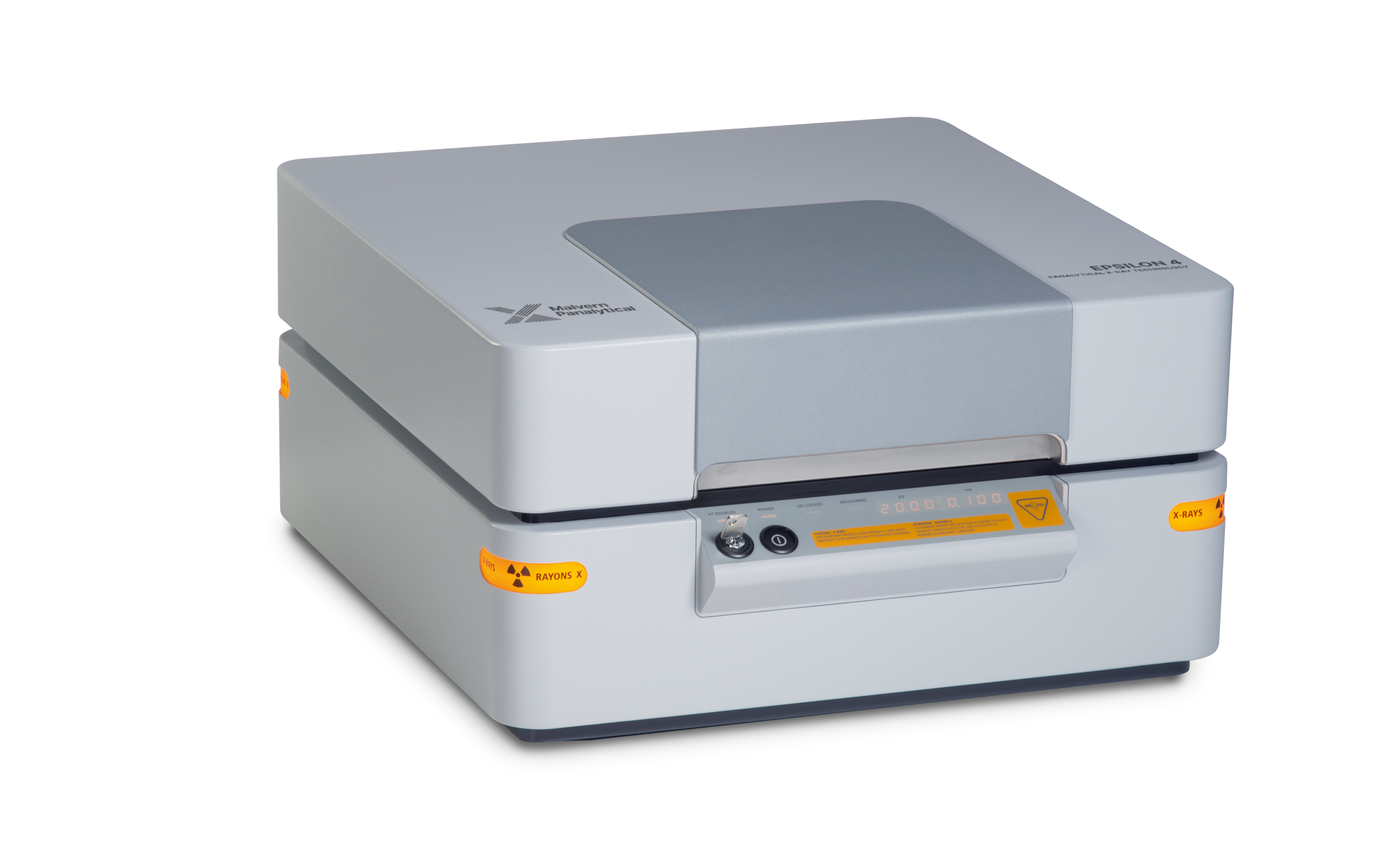
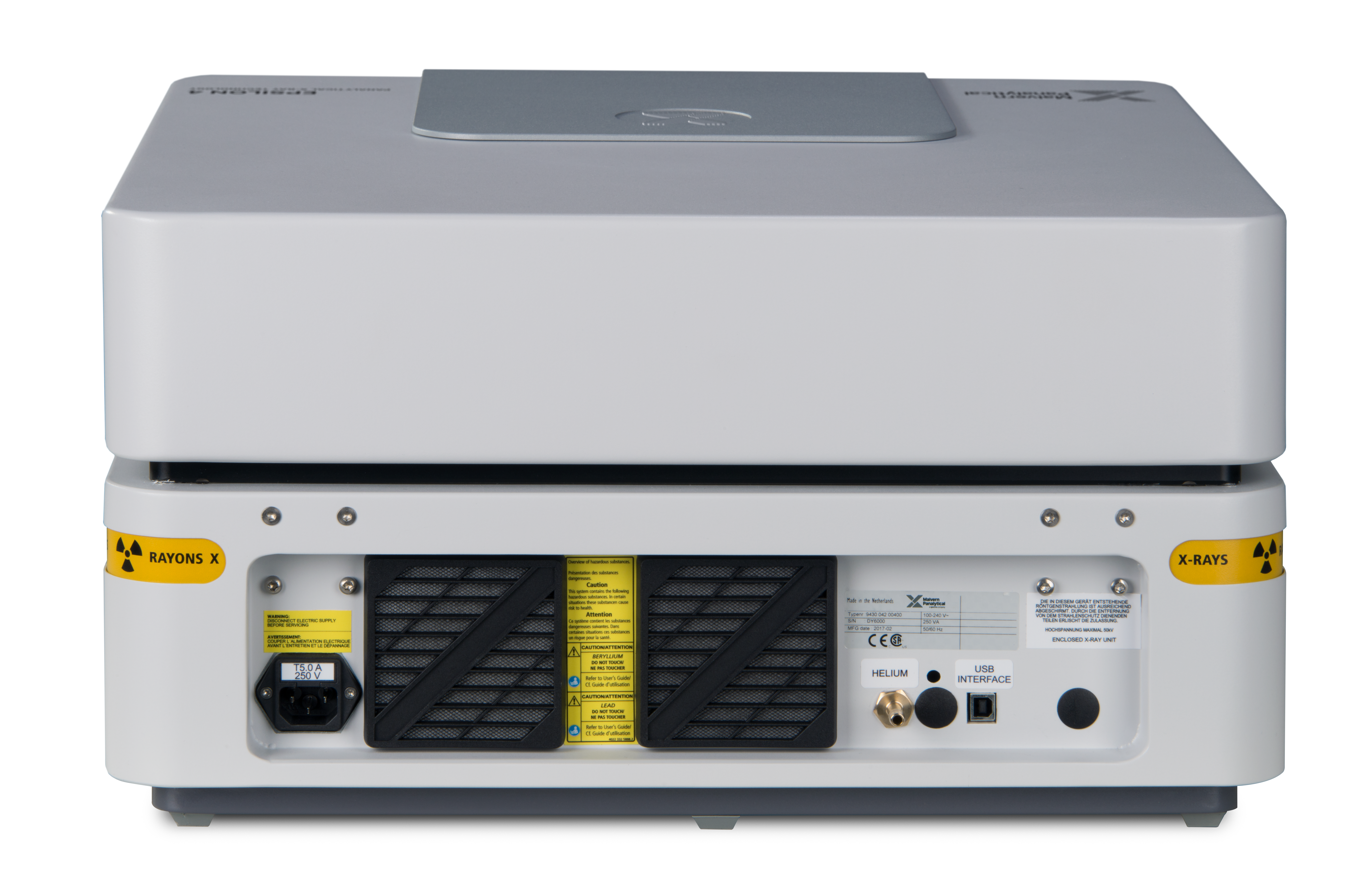
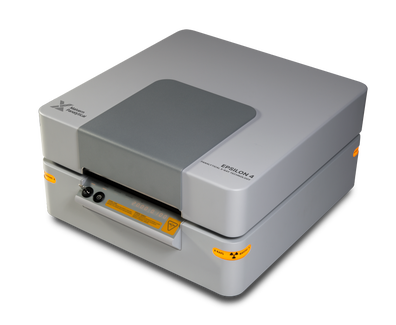
The Epsilon 4, an energy dispersive X-ray fluorescence (EDXRF) benchtop spectrometer, offers non-destructive elemental analyses of impurities in active pharmaceutical ingredients and excipients in line with the recommendations in ICH Q3D, USP<232>, USP<233> and USP<735>.
Applications that have traditionally been performed by ICP and AAS are now possible without the need for time-consuming and costly sample preparation.
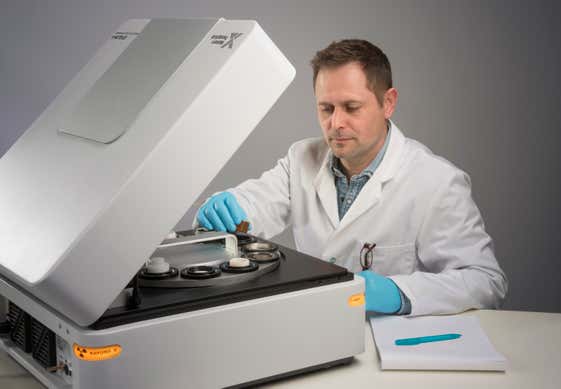
The power of benchtop XRF: Combining the latest excitation and detection technologies and smart design, the analytical performance of Epsilon 4 approaches that of more powerful and floor-standing spectrometers. Selective excitation and careful matching of the X-ray tube output to the capabilities of the detection system underlie the system’s outstanding performance.
Low running costs: Epsilon 4 does not require the use of expensive acids, gasses and fume hoods, like in ICP and AAS. The only requirement is mains electricity and in some cases the use of helium to boost the sensitivity for light elements in the sample. Also, the individual components in XRF spectrometers are not exposed to friction or heat and therefore last for many years.
Non-destructive analysis: Measurements with Epsilon 4 are carried out directly on loose powders or end products, like pills and capsules, with little to no sample preparation. Since XRF is a non-destructive technique, the sample can also be measured subsequently by other analytical techniques, if required.
Fast and sensitive: Fast measurements are achieved by using the latest silicon drift detector technology that produces significantly higher intensities. Unique detector electronics enable a linear count rate capacity to over 1,500,000 cps (at 50% dead time) and a count rate independent resolution typically better than 135 eV for better separation of analytical lines in the spectrum. This allows the Epsilon 4 spectrometer to run at full power and therefore realizes a much higher sample throughput compared to traditional EDXRF benchtop instruments.
To comply with regulatory requirements like ICH Q3D and USP<232>, Malvern Panalytical offers a range of cellulose-based system calibration standards for toxic elements, catalyst residues or PGM particles.
Support for validation and data integrity requirements is provided through system IQ and OQ packages and Enhanced Data Security software for user authentication and analysis auditing (FDA 21 CFR Part 11).
FingerPrint, a positive material identification solution, is available for the analysis of impurities and detection of possible counterfeit drugs.

Installation qualification and operation qualification procedures are available for Epsilon 4.
These procedures are instrument verification and validation procedures required by companies to meet good laboratory practice (GLP), good manufacturing practice (GMP) and FDA 21 CFR Part 11 regulations.
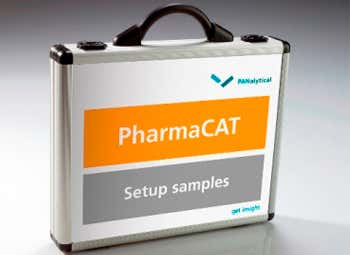
To comply with regulatory requirements, Malvern Panalytical offers a range of cellulose-based system setup samples for toxic elements, catalyst residues or PGM particles in the groups 1, 2A, 2B and 3.
The standards contain 17 elements with concentrations ranging from 0 to 200 mg/kg. The three separate sets contain 5 different standards plus a validation sample.
Epsilon 4 spectrometers can handle a large variety of sample types, weighing from a few milligrams to larger bulk samples. Samples can be measured as:
Universal and reliable device.
Jakub Nowak — ComerLab Dorota Nowak
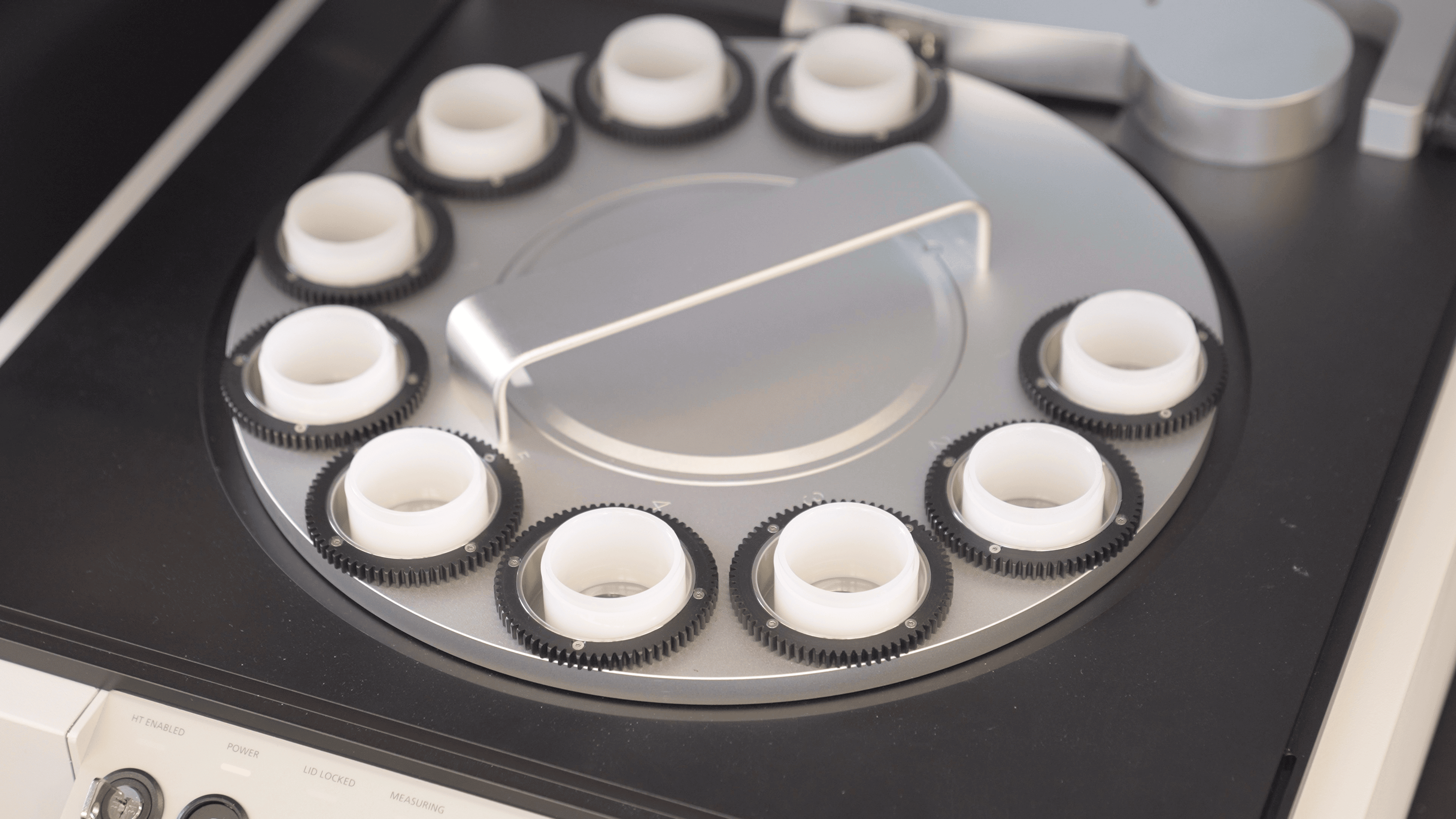
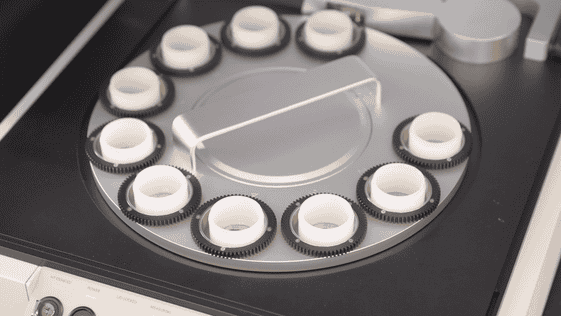
| Sample capacity | 10-position removable sample changer |
|---|---|
| Sample size | Spectrometer can accommodate samples up to 52 mm (2 inch) in diameter |
| Features | Spinner is included for better accuracy of air filter analysis |
| Features | Metal-ceramic side window for maximum stability
50 micrometers thin beryllium window for high sensitivity for light elements (Na, Mg, Al, Si) |
|---|---|
| Tube setting | Ag anode X-ray tube for best performance of P, S and Cl analysis |
| Detector type | High-resolution silicon drift detector (SDD), typically 135 eV @ Mn-Kα |
|---|---|
| Features | Max count rate of 1,500,000 counts/s at 50% dead time
Thin-entrance detector window for high sensitivity |
| Software |
|
|---|
Analytical EDXRF software package for Epsilon benchtop systems
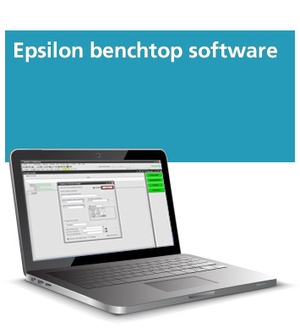
Standardless analysis of all types of samples

Securing your data and satisfying auditors

Instant material identification

Claisse is always there to meet your needs!

| Title | Version | Date | Download |
|---|---|---|---|
| {{ row.title }} | {{ row.softwareVersion }} | {{ row.date }} | Download |
Sorry, no manuals are available for this product
| Title | Version | Date | Download |
|---|---|---|---|
| {{ row.title }} | {{ row.softwareVersion }} | {{ row.date }} | Download |
Sorry, no software downloads are available for this product
To assure that your instrument remains in top condition and performs on the highest level, Malvern Panalytical offers a wide range of services. Our expertise and support services assure an optimal functioning of your instrument.
Service for a lifetime
Adding value to your processes
Compliant, low cost, non-destructive elemental analysis of impurities in active pharmaceutical ingredients. Upgrade your lab today.