催化劑表徵
面向用户、制造商和研究人员的分析型催化材料表征仪器


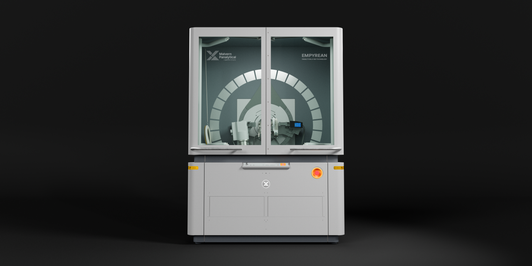
利用 Empyrean XAS 研究活性位點、氧化態與反應路徑. 了解更多
了解更多面向用户、制造商和研究人员的分析型催化材料表征仪器
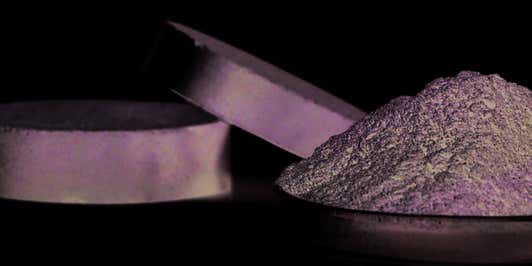
据估计,所有商业化生产的化学产品中有90%在制造过程中涉及催化剂。 对催化剂的需求估计约为300亿美元,随着对化学品、聚合物和石化产品的需求增加,加之降低工艺成本、能源使用和排放的需求不断增长,预计未来十年内对催化剂的需求还会增长。
然而,不仅仅是化学品生产会推动对更优质催化剂的需求, 环境保护的需求不仅推动了对清洁能源的需求,而且也推动了对聚合物和二氧化碳等废料的再利用,这反过来又推动了新的工艺和催化材料的开发。 例如:
以上这些需求是在现有需求之上的,现有需求包括优化和生产汽车领域的催化转换器,以及石油化工业所用的更为高效的流化催化裂化 (FCC) 催化剂。
表征对于新型催化剂的设计和开发至关重要,同时对于工艺开发和优化(包括扩大规模和故障排除)也至关重要。 例如,大多数多相催化剂都由位于金属氧化物载体表面的催化活性金属或金属氧化物组成,因此必须优化结构和表面化学特性,以便为相关工艺提供适当的选择性和反应性。 其他诸如粒度、孔隙和表面积等特性对优化扩散和吸附也非常重要。
马尔文帕纳科拥有各种相辅相成的解决方案,用于催化剂材料的物理、结构和元素分析,包括粒度、粒形、Zeta 电位、元素成分和晶体结构:
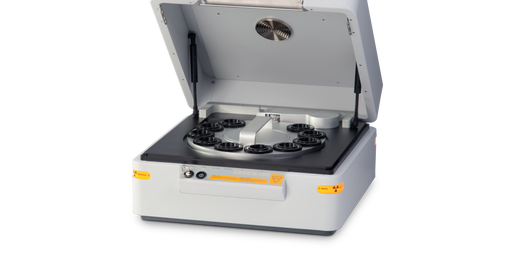
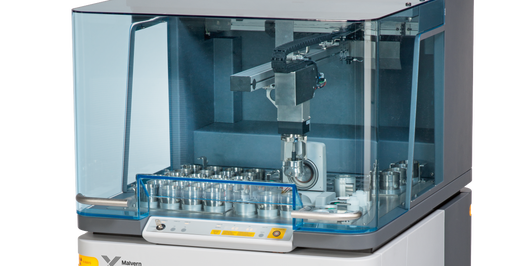
X射线荧光(XRF) 由于其高精度和重现性而被广泛用于分析各种催化剂的元素成分。 例如,催化转换器中的铂、钯和铑;流化催化裂化(FCC)催化过程中的铝、镍、钒、钛、铁和硫以及沸石中的硅铝比。 XRF 还可用于检测导致化学失活的催化剂毒性物质的存在和浓度,包括氯、硫、锡和铅。 与其他同类技术相比,XRF分析可以节省大量时间和资金,而马尔文帕纳科马尔文帕纳科提供三个主要解决方案:EDXRF台式系统(如Epsilon 4)、落地式WDXRF系统(如Zetium)和在线解决方案(如Epsilon XFlow)。 马尔文帕纳科还通过其Claisse产品组合为XRF、ICP和AA提供多种样品制备解决方案。
X射线衍射(XRD)
是用于催化剂设计、开发和生产的基础工具,因其可以提供有关金属氧化物和沸石等固体催化剂材料的整体结构和组分的信息。 XRD系统通常用于监测流化催化裂化(FCC)催化剂的生产,特别是晶胞大小和结晶度的分析。XRD还可用于通过分析典型衍射测量的峰宽或使用小角X射线散射(SAXS)来确定晶粒大小。非晶体材料也可使用对分布分析(PDF)进行研究。 马尔文帕纳科提供两种主要的XRD解决方案:用于常规分析的
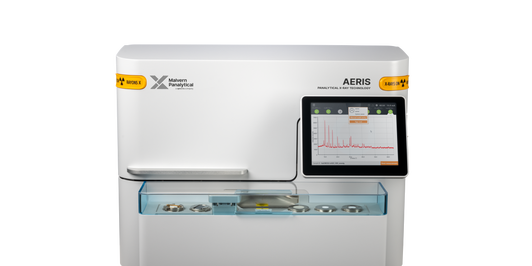
Aeris
台式衍射仪,以及用于更详细结构分析的
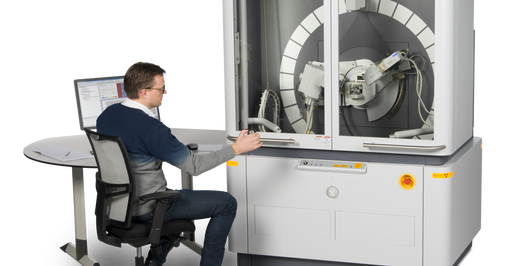
Empyrean
多功能衍射仪。
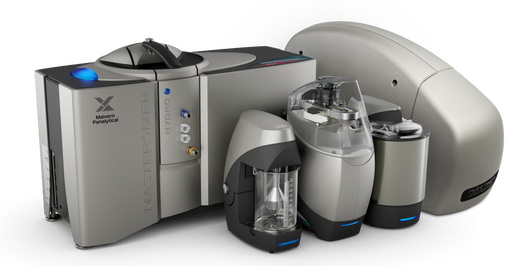
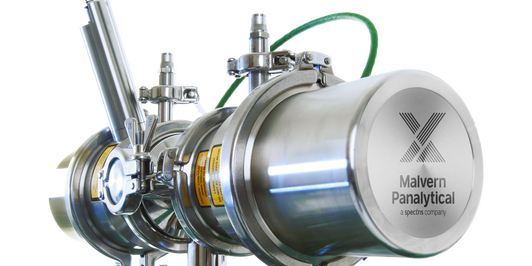
激光衍射是一种广泛使用的粒度测量技术,适用于大小介于数百纳米和数毫米之间的材料,可应用于实验室或工艺线上的湿法或干法分散。对于催化剂应用,使用激光衍射生成的粒度数据可用于计算比表面积(SSA),方法是通过将报告的体积分布转换为表面积分布。压力滴定还有助于了解损耗的风险,这是预测流化床反应器中催化剂使用寿命的一个重要因素。马尔文帕纳科的Mastersizer是针对实验室环境中催化剂分析的最常用粒度测量工具,而Insitec可用于生产环境中进行的在线分析。
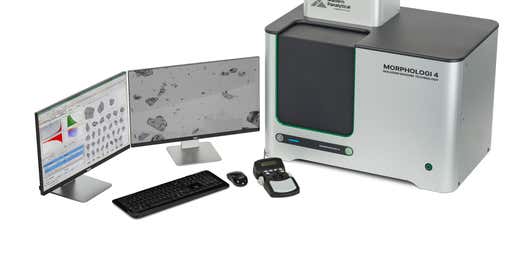
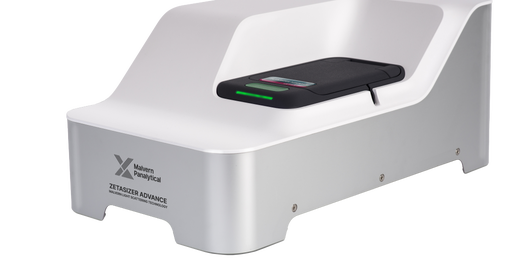
除了上述技术之外,马尔文帕纳科还提供了其他几种催化剂分析解决方案,包括用于评估颗粒分散体大小和稳定性的Zetasizer和利用图像分析技术来确定粒形和粒度分布的Morphologi 4。Morphologi 4 还配有集成式拉曼光谱仪,可提供颗粒的特定化学信息。
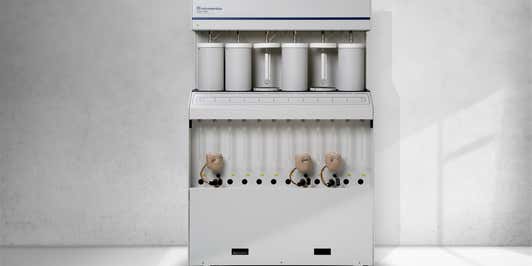
Gas porosimetry enables the measurement of BET surface area and micro/meso pore size distributions (0.35 nm ≤ 50 nm). Mercury porosimetry provides data in the meso/macropore range (3.6 nm ≤ 1,100 µm). This data may be used together in a unified method for pore volume to report micro, meso and macro areas and volumes. The porous properties of the catalyst support impact metal loading/dispersion and diffusion of both reactant and product molecules in use. Initial and in-use characterisation are important fundamental properties that influence design, chemistry and the time for which they can be used if sintering or blockages occur in the process.
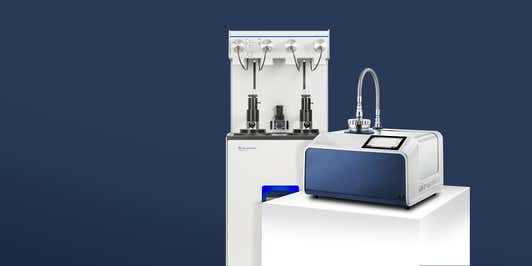
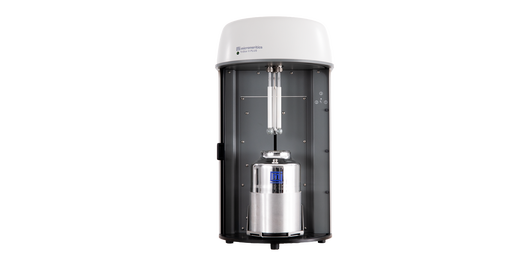
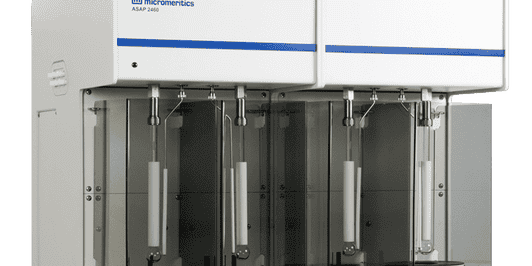
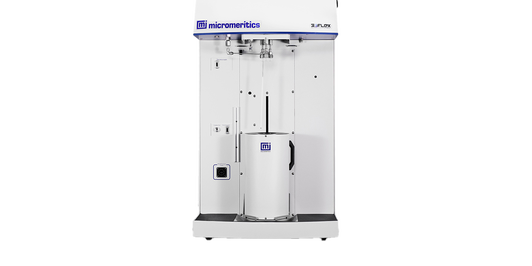
Micromeritics range of gas porosimeters includes multi-station and on-demand analysers in the form of the TriStar, ASAP 2460 and ASAP 2425 and the 3Flex high-resolution micropore analyser delivers exceptional low-pressure data, needed for accurate micropore analysis. Micromeritics AutoPore technology provides mercury porosimetry, studying larger meso/macro pore sizes and porosity, important for understanding reactant and product transfer.
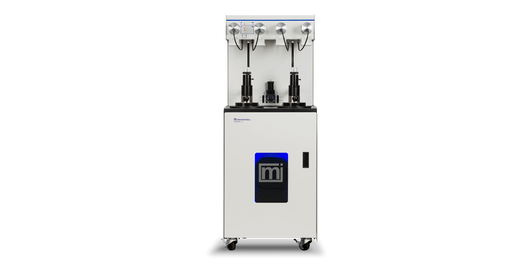
Use of static and dynamic chemisorption experimentation is routine in the catalyst industry. These techniques are used to determine metal surface area, dispersion, and crystallite size. Dynamic chemisorption can also be used to study activation through temperature-programmed reduction (TPR), the range and strength of chemisorbed species through temperature-programmed desorption (TPD), and surface chemistry through temperature-programmed surface reactions (TPSR).
Temperature programmed oxidation (TPO) is another important technique that can be used to study samples that have deactivated due to carbon deposition. In-situ dynamic analysis is a further option where the analysis system can be connected across the reactor, enabling the catalysts to be characterised in-situ at the start and end of an experimental cycle.
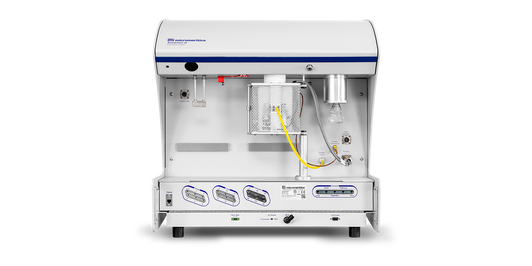
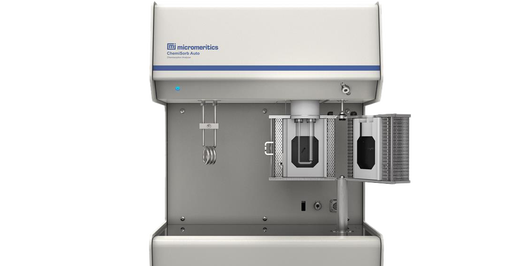
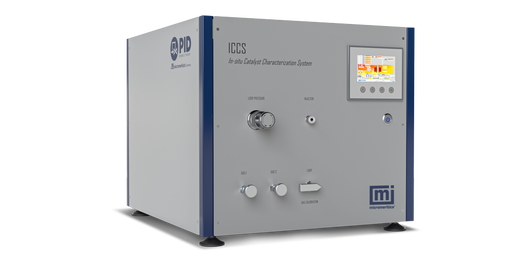
Micromeritics AutoChem and ChemiSorb Auto offer dynamic chemisorption routines whilst the 3Flex can be used for both static and dynamic chemisorption. Our In-situ Catalysts Characterisation System (ICCS) connects directly across the reactor and enables in-situ dynamic chemisorption experimentation.
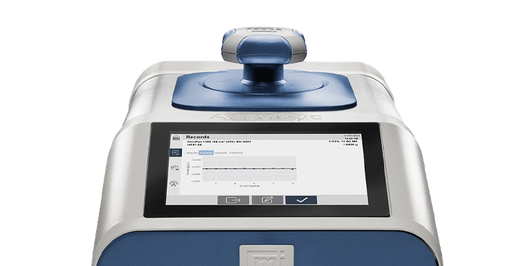
Micromeritics offers two pycnometry technologies: the AccuPyc and GeoPyc. The AccuPyc is a gas pycnometer that determines true density, a useful QC metric since whether a single element or mixture of materials in known proportions are measured, true density can be accurately defined and monitored. The AccuPyc is fast, easy and accurate and can differentiate density to the fourth decimal place. The GeoPyc offers both envelope and bulk density measurement. Envelope density can be carried out in samples such catalyst extrudates and together with the AccuPyc true density allows sample porosity to be determined.
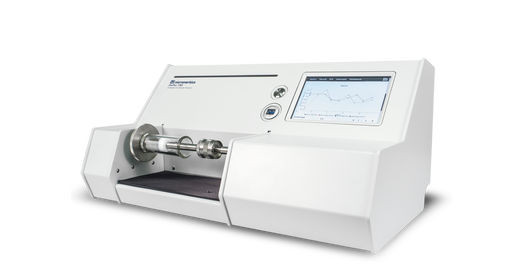
Bulk density is useful metric for particulate materials and be determined with differing consolidation force. Bulk density is influenced by a number of parameters but principally size and shape distributions which can be investigated with our Mastersizer and Morphology products.
X-ray fluorescence (XRF) is widely used for analyzing the elemental composition of a range of catalysts due to its high precision and reproducibility. Examples include Pt, Pd, and Rh in catalytic converters; Al, Ni, V, Ti, Fe, and S in FCC catalytic processes; and Si/Al ratios in zeolites. XRF can also be used to detect the presence and concentration of catalyst poisons that cause chemical deactivation, including Cl, S, Sn and Pb.
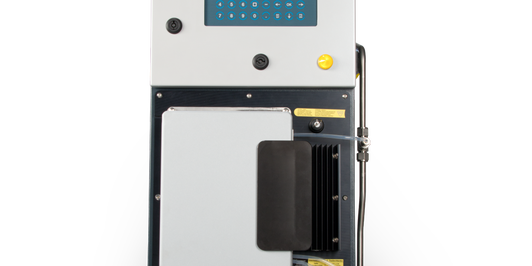
XRF analysis can save a lot of time and money compared with alternative techniques, and Malvern Panalytical provides three main solutions: EDXRF benchtop systems such as Epsilon 4, floor-standing WDXRF systems such as Zetium, and on-line solutions such as Epsilon XFlow.
Malvern Panalytical also provides several sample preparation solutions for XRF, ICP, and AA through its Claisse portfolio.
X-ray diffraction (XRD) is a fundamental tool for the design, development and production of catalysts since it can provide information on the bulk structure and composition of solid catalyst materials such as metal oxides and Zeolites. XRD systems are routinely used for monitoring the production of FCC catalysts, in particular analysing unit cell size and crystallinity.
XRD can also be used to determine crystallite size either by analysing peak widths from a typical diffraction measurement or by using Small Angle X-ray Scattering (SAXS). Non-crystalline materials can also be studied using Pair Distribution Analysis (PDF). Malvern Panalytical provides two main XRD solutions: Aeris compact XRD diffractometer for routine analysis, and the Empyrean multi-purpose diffractometer for more detailed structural analysis.
Laser diffraction is a widely used particle sizing technique for materials ranging in size between hundreds of nanometers and several millimeters, and can be applied to wet or dry dispersions in the laboratory or on a process line. For catalyst applications, the particle size data generated using laser diffraction can be used to calculate a specific surface area (SSA) by converting the reported volume distribution into a surface area distribution.
Pressure titrations can also help to understand the risk of attrition, an important factor for predicting the life of catalysts in fluidized bed reactors. Malvern Panalytical’s Mastersizer is the most widely used particle sizing tool for catalyst analysis in a laboratory setting, while Insitec can be used for on-line analysis in a production environment.
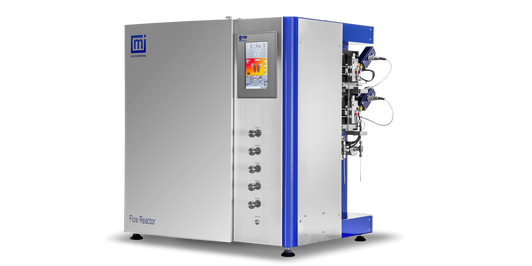
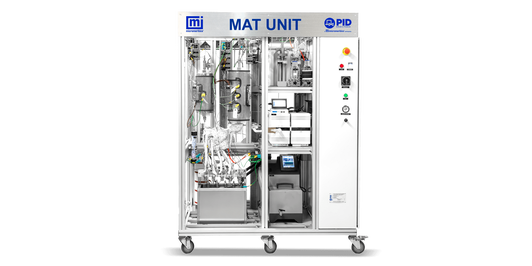
Catalyst characterisation is only half of the story! Having produced a catalyst, it then needs to be evaluated for performance. This is where our PID Flow Reactor and Pilot Plant technologies can be used to perform the chemical reactions of interest over time. These technologies allow for the study of activation, feed composition and rate, temperature and pressure. Our PID reactor technology is highly customisable and features patented technologies for pressure control, solids feeding and gas/liquid or gas/liquid/liquid separation in near real time. These units can also interface with other technologies such as the ICCS, mass spectrometers and GC for the analysis of the product stream.
We have, over many years, produced units for use in gasification, pyrolysis, Fischer-Tropsch, ammonia, pressure/temperature swing adsorption processes as well as photocatalysis. Safety is key here, and our reactor technologies offer comprehensive safety functions, including the ability to interface with central laboratory alarm systems.
In addition to the techniques mentioned above, Malvern Panalytical offers several other solutions for catalyst analysis, including the Zetasizer, which is used to evaluate the size and stability of particulate dispersions, and the Morphologi 4, which uses image analysis to determine particle shape and size distribution. The Morphologi 4 is also available with an integrated Raman spectrometer, which provides particle-specific chemical information.