Phase quantification
Quantitative determination of the crystalline phases in a mixture


Quantitative determination of the crystalline phases in a mixture
X-ray powder diffraction is a powerful technique for the quantitative determination of the crystalline phases in a mixture.
Typical applications include the quantification of minerals for grade control of rocks and ores, clinker and cement phases in building material industries, and bath ratio or ‘potflux’ analysis in aluminum smelters.
Providing detection limits in the range of 0.1 to 1 wt.% per phase, XRD is suitable for quality control. For example, the method is used by the pharmaceutical industry to detect and quantify small amounts of impurities such as unwanted polymorphs in a sample, and by universities and research institutes to classify the purity of synthesized materials.
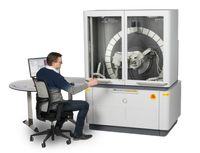
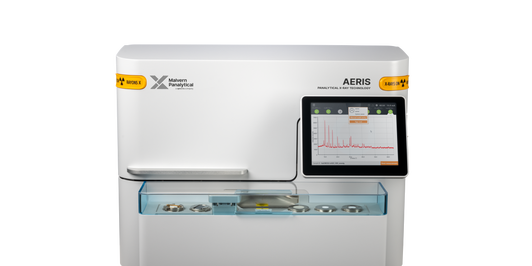
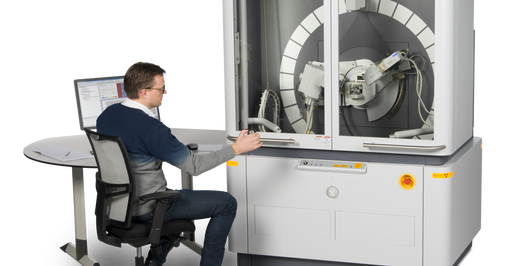
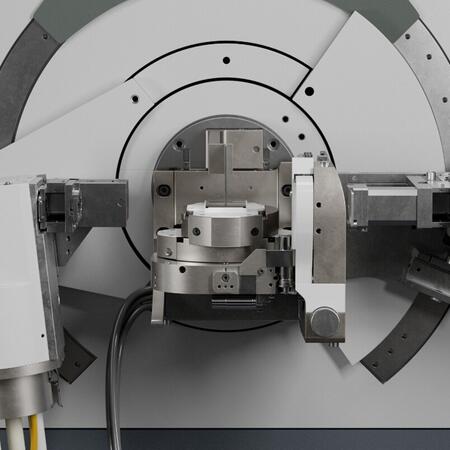
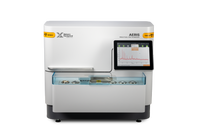
The Empyrean multi-purpose XRD platform is well-suited to phase quantification. Aeris compact XRD is an excellent tool for routine phase quantification tasks in both research and industrial environments.
Calibration-based methods are covered by the Quantify and Industry software packages.
HighScore allows for the RIR and autoscale methods and HighScore Plus additionally covers the Rietveld refinement and hkl fit methods, which use Miller indices.
All software packages also offer several automation and customizable reporting options.
Compact benchtop X-ray diffractometers
Multipurpose X-ray diffractometers