触媒の分析
ユーザー、メーカー、研究者向けの触媒の材料特性評価に用いる分析装置


Empyrean XASで活性部位、酸化状態、反応経路を解明. 詳しく見る
詳しく見るユーザー、メーカー、研究者向けの触媒の材料特性評価に用いる分析装置
化学製品は、当然のことながら、化学反応を用いることで製造されています。その化学反応を効率的に進めるものが「触媒」となります。このため、市販の化学製品の90%は、製造段階で触媒を使用しているといわれています。ある推定によると、 触媒の需要は全世界で約300億ドル(3兆円)に達すると予測されています。
化学工業において触媒は、経済効率の向上という観点からも重要な部材です。これは、より高機能な触媒は反応効率の向上が期待でき、より低コストでエネルギー使用量が少ない工程が構築可能なためです。
さらには、環境学的な視点からも重要視されています。化学反応の効率化は、反応に伴う排出ガスの減少など、環境負荷の少ない化学反応工程の構築が期待できるためです。これは各国政府の推し進めるカーボンリサイクル事業への適用も期待できます。環境配慮への必要性も、クリーンエネルギーへの需要に加え、ポリマーやCO2などの廃棄物利用に対する需要を促進しています。そのためには新しい工程や触媒材料の開発が必要となります。 以下に例を示します。
このような事情からも、今後10年間で触媒への需要はさらに増加すると予想されます。
しかし、優れた触媒が必要とされるのは、工程改善の視点なだけではありません。以下、それも含めた例を挙げます。
これらの要件は既存要件の重要項目であり、自動車セクターの触媒コンバータの最適化と生産や、石油化学業界のより効率的な流動式接触分解(FCC)触媒などがあります。
特性評価は、新しい触媒の設計と開発の両方にとって重要な要素であるだけでなく、スケールアップやトラブルシューティングなどのプロセス開発や最適化にも大切です。 たとえば、ほとんどの不均質な触媒は、金属酸化物サポートの表面にある触媒活性金属または酸化金属で構成されているため、構造と表面化学を最適化して、対象となるプロセスに適切な選択性と反応性を提供することが重要です。 粒子サイズ、気孔率、表面積などのその他の特性も拡散と吸収の最適化に重要です。
Malvern Panalyticalでは、粒子径、粒子形状、ゼータ電位、元素組成、結晶構造などの触媒材料の物理的、構造的、元素分析用の補完的なソリューションを多数ご用意しています。
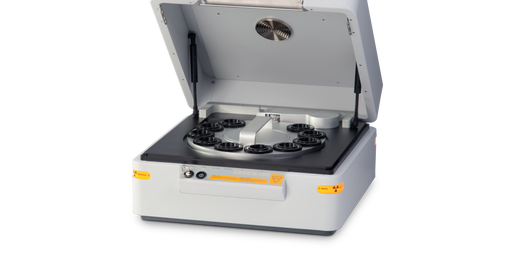
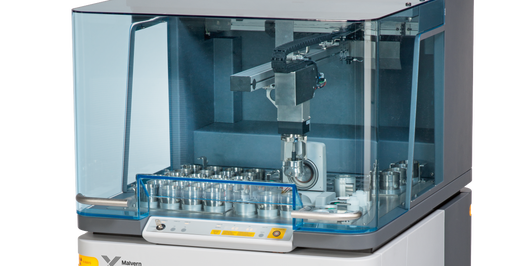
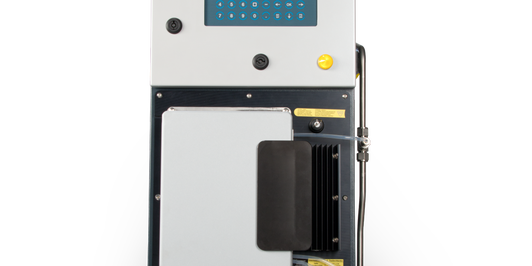
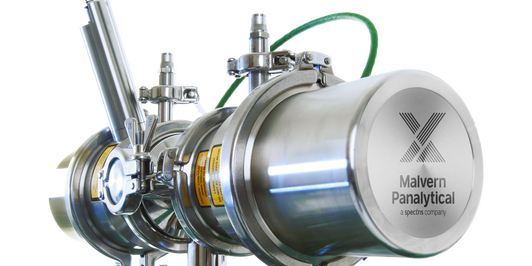
蛍光X線(XRF)は、高精度で再現性が高いため、さまざまな触媒の元素組成の分析に広く使用されています。 例としては、触媒コンバータのPt、Pd、RH、FCC触媒プロセスのAl、Ni、V、Ti、Fe、S、ゼオライトのSI/Al比などがあります。 また、XRFを使用して、Cl、S、Sn、Pbなどの化学的非活性化の原因となる触媒毒の存在と濃度を検出することもできます。 XRF分析は、代替手法と比較して時間とコストを大幅に削減できます。Malvern Panalyticalでは、Epsilon 4などのEDXRF卓上型システム、Zetiumなどの床置き型WDXRFシステム、Epsilon XFlowなどのオンラインソリューションの3種類の主要なソリューションを提供しています。 またMalvern Panalyticalは、Claisseポートフォリオを通じて、XRF、ICP、及びAA用のいくつかのサンプル調製ソリューションも提供しています。
X線回折(XRD)
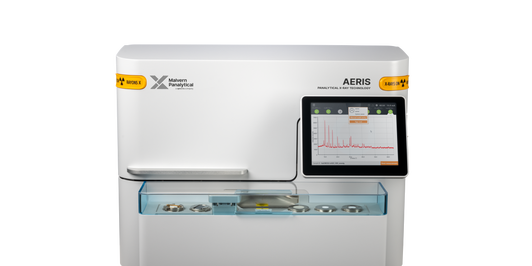
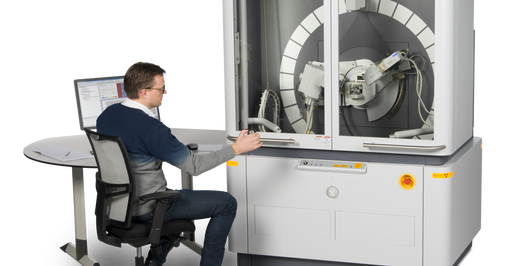
は、金属酸化物やゼオライトなどの固体触媒材料のバルク構造や組成に関する情報を提供できるため、触媒の設計、開発、生産に欠かせないツールです。 XRDシステムは、FCC触媒の製造を監視するために日常的に使用されています。特にユニットのセルサイズと結晶性の分析に重用されています。 XRDは、結晶サイズの判別にも使用できます。一般的な回折測定値からピーク幅を分析するか、小角X線散乱法(SAXS)を使用して判別します。 非結晶性材料は、対相関関数分析(PDF)を使用して解析することもできます。 Malvern Panalyticalは、ルーチン分析用の
Aeris
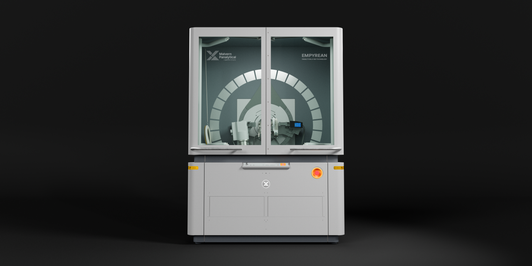
卓上型回折装置と、より詳細な構造分析用の
Empyrean
多目的回折装置の2種類の主要なXRDソリューションを提供しています。
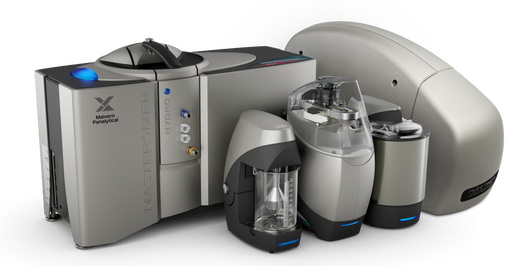
レーザ回折は、数百ナノメートルから数ミリメートルまでの大きさの材料に広く使用されている粒径測定技術で、研究所やプロセスラインの湿式または乾式分散に適用できます。 触媒用途では、レーザ回折を使用して生成された粒子径データを使用して、レポートされた体積分布を表面積分布に変換することにより、特定の表面積(SSA)を計算できます。 また圧力滴定は、流動層反応における触媒の寿命を予測するための重要な因子である損耗リスクを理解するのに役立ちます。 Malvern PanalyticalのMastersizerは、研究所環境での触媒分析に最も広く使用されている粒子径測定ツールです。一方、Insitecは生産環境でのオンライン分析に使用されています。
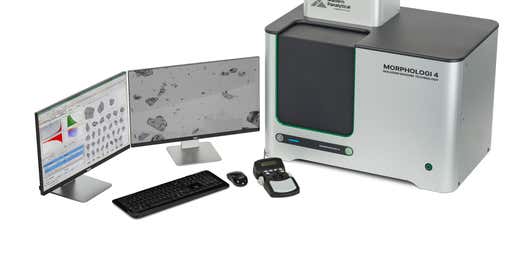
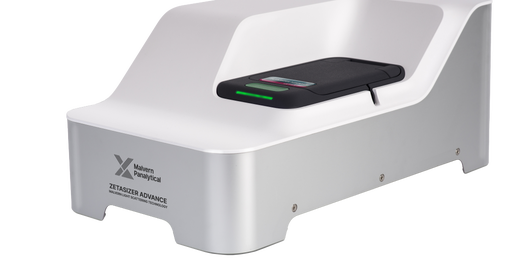
Malvern Panalyticalでは、上記の技術に加えて、触媒分析のための他のソリューションもいくつか提供しています。これには、粒子分散のサイズと安定性を評価するために使用するZetasizer、粒子形状と粒子径の分布を判別するために画像分析を使用するMorphologi 4などがあります。 Morphologi 4はラマン分光計と組み合わせて使用すると、粒子固有の化学情報を得ることができます。
Gas porosimetry enables the measurement of BET surface area and micro/meso pore size distributions (0.35 nm ≤ 50 nm). Mercury porosimetry provides data in the meso/macropore range (3.6 nm ≤ 1,100 µm). This data may be used together in a unified method for pore volume to report micro, meso and macro areas and volumes. The porous properties of the catalyst support impact metal loading/dispersion and diffusion of both reactant and product molecules in use. Initial and in-use characterisation are important fundamental properties that influence design, chemistry and the time for which they can be used if sintering or blockages occur in the process.
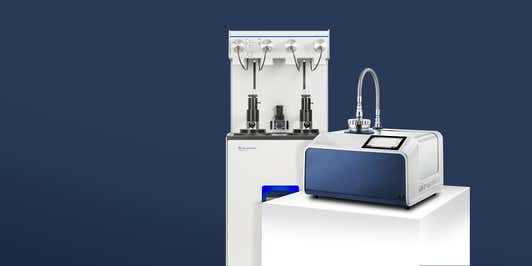
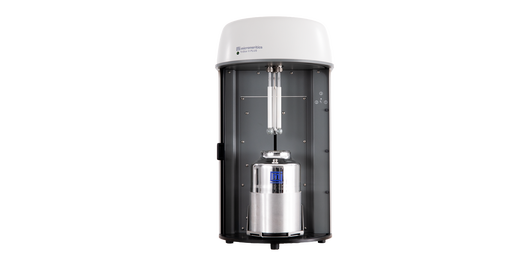
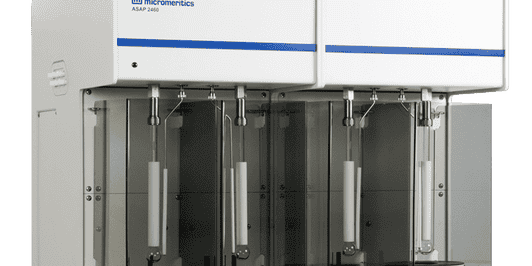
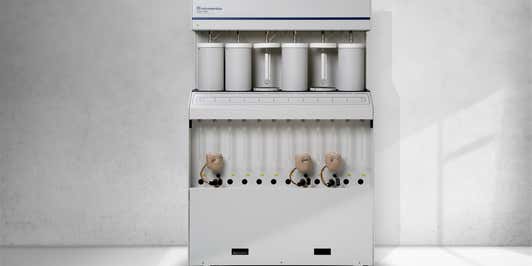
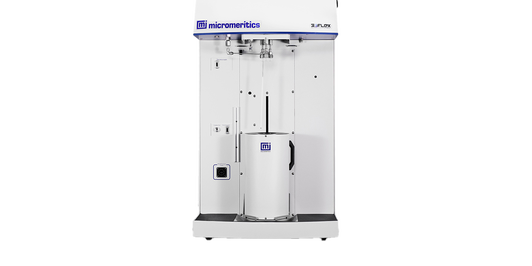
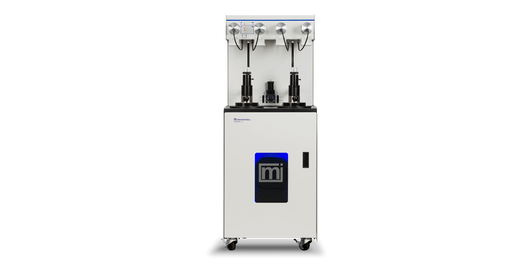
Micromeritics range of gas porosimeters includes multi-station and on-demand analysers in the form of the TriStar, ASAP 2460 and ASAP 2425 and the 3Flex high-resolution micropore analyser delivers exceptional low-pressure data, needed for accurate micropore analysis. Micromeritics AutoPore technology provides mercury porosimetry, studying larger meso/macro pore sizes and porosity, important for understanding reactant and product transfer.
Use of static and dynamic chemisorption experimentation is routine in the catalyst industry. These techniques are used to determine metal surface area, dispersion, and crystallite size. Dynamic chemisorption can also be used to study activation through temperature-programmed reduction (TPR), the range and strength of chemisorbed species through temperature-programmed desorption (TPD), and surface chemistry through temperature-programmed surface reactions (TPSR).
Temperature programmed oxidation (TPO) is another important technique that can be used to study samples that have deactivated due to carbon deposition. In-situ dynamic analysis is a further option where the analysis system can be connected across the reactor, enabling the catalysts to be characterised in-situ at the start and end of an experimental cycle.
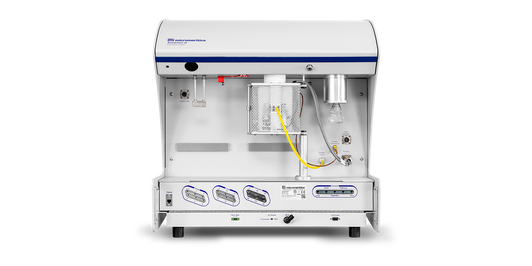
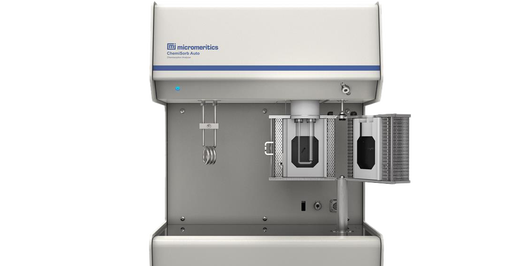
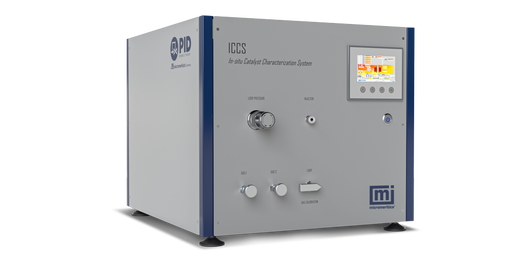
Micromeritics AutoChem and ChemiSorb Auto offer dynamic chemisorption routines whilst the 3Flex can be used for both static and dynamic chemisorption. Our In-situ Catalysts Characterisation System (ICCS) connects directly across the reactor and enables in-situ dynamic chemisorption experimentation.
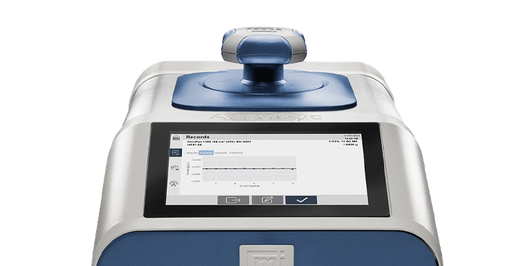
Micromeritics offers two pycnometry technologies: the AccuPyc and GeoPyc. The AccuPyc is a gas pycnometer that determines true density, a useful QC metric since whether a single element or mixture of materials in known proportions are measured, true density can be accurately defined and monitored. The AccuPyc is fast, easy and accurate and can differentiate density to the fourth decimal place. The GeoPyc offers both envelope and bulk density measurement. Envelope density can be carried out in samples such catalyst extrudates and together with the AccuPyc true density allows sample porosity to be determined.
Bulk density is useful metric for particulate materials and be determined with differing consolidation force. Bulk density is influenced by a number of parameters but principally size and shape distributions which can be investigated with our Mastersizer and Morphology products.
X-ray fluorescence (XRF) is widely used for analyzing the elemental composition of a range of catalysts due to its high precision and reproducibility. Examples include Pt, Pd, and Rh in catalytic converters; Al, Ni, V, Ti, Fe, and S in FCC catalytic processes; and Si/Al ratios in zeolites. XRF can also be used to detect the presence and concentration of catalyst poisons that cause chemical deactivation, including Cl, S, Sn and Pb.
XRF analysis can save a lot of time and money compared with alternative techniques, and Malvern Panalytical provides three main solutions: EDXRF benchtop systems such as Epsilon 4, floor-standing WDXRF systems such as Zetium, and on-line solutions such as Epsilon XFlow.
Malvern Panalytical also provides several sample preparation solutions for XRF, ICP, and AA through its Claisse portfolio.
X-ray diffraction (XRD) is a fundamental tool for the design, development and production of catalysts since it can provide information on the bulk structure and composition of solid catalyst materials such as metal oxides and Zeolites. XRD systems are routinely used for monitoring the production of FCC catalysts, in particular analysing unit cell size and crystallinity.
XRD can also be used to determine crystallite size either by analysing peak widths from a typical diffraction measurement or by using Small Angle X-ray Scattering (SAXS). Non-crystalline materials can also be studied using Pair Distribution Analysis (PDF). Malvern Panalytical provides two main XRD solutions: Aeris compact XRD diffractometer for routine analysis, and the Empyrean multi-purpose diffractometer for more detailed structural analysis.
Laser diffraction is a widely used particle sizing technique for materials ranging in size between hundreds of nanometers and several millimeters, and can be applied to wet or dry dispersions in the laboratory or on a process line. For catalyst applications, the particle size data generated using laser diffraction can be used to calculate a specific surface area (SSA) by converting the reported volume distribution into a surface area distribution.
Pressure titrations can also help to understand the risk of attrition, an important factor for predicting the life of catalysts in fluidized bed reactors. Malvern Panalytical’s Mastersizer is the most widely used particle sizing tool for catalyst analysis in a laboratory setting, while Insitec can be used for on-line analysis in a production environment.
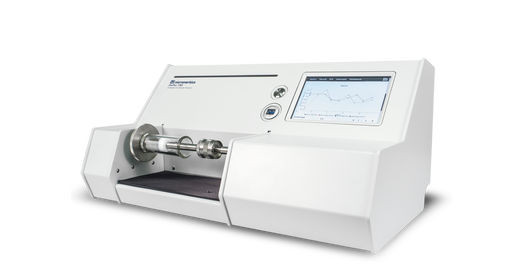
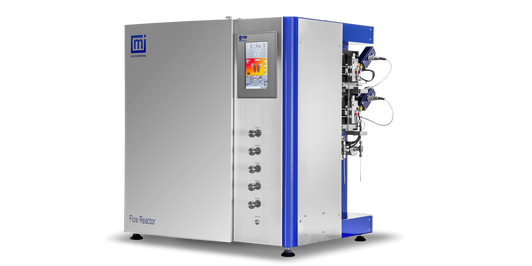
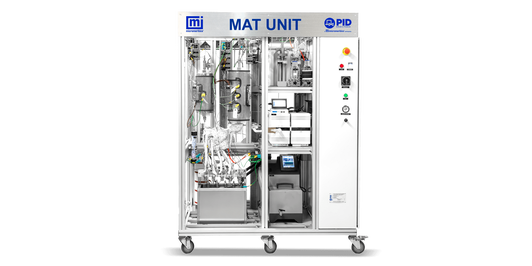
Catalyst characterisation is only half of the story! Having produced a catalyst, it then needs to be evaluated for performance. This is where our PID Flow Reactor and Pilot Plant technologies can be used to perform the chemical reactions of interest over time. These technologies allow for the study of activation, feed composition and rate, temperature and pressure. Our PID reactor technology is highly customisable and features patented technologies for pressure control, solids feeding and gas/liquid or gas/liquid/liquid separation in near real time. These units can also interface with other technologies such as the ICCS, mass spectrometers and GC for the analysis of the product stream.
We have, over many years, produced units for use in gasification, pyrolysis, Fischer-Tropsch, ammonia, pressure/temperature swing adsorption processes as well as photocatalysis. Safety is key here, and our reactor technologies offer comprehensive safety functions, including the ability to interface with central laboratory alarm systems.
In addition to the techniques mentioned above, Malvern Panalytical offers several other solutions for catalyst analysis, including the Zetasizer, which is used to evaluate the size and stability of particulate dispersions, and the Morphologi 4, which uses image analysis to determine particle shape and size distribution. The Morphologi 4 is also available with an integrated Raman spectrometer, which provides particle-specific chemical information.