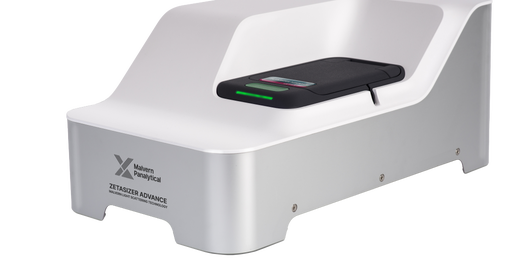
Zetasizer Ultra
High-resolution sizing, stability and surface charge analysis of viral particles

Subscribe for Biologics updates. Sign up
Sign upTools and techniques for viral vector characterization

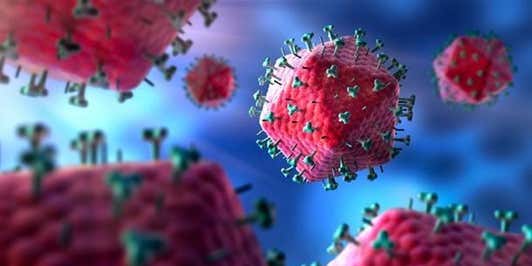
Viral vectors are powerful delivery systems for transporting genetic material into cells, leveraging viruses' natural ability to insert genetic code into living cells. Viruses like adeno-associated viruses (AAVs), recombinant AAVs, and lentiviruses are vital in gene therapy, enabling the replacement of mutated genes with healthy ones to treat or prevent diseases.
To unlock their full potential, rigorous characterization is essential to ensure safety, efficacy, and regulatory compliance. Malvern Panalytical offers several biophysical techniques for characterizing viral vectors for gene therapy. These cover critical parameters including particle size, viral titer, surface charge, molecular weight, and thermal and structural stability.
Small and non-pathogenic, adeno-associated viruses (AAVs) are ideal for vectors for gene therapy.
Malvern Panalytical offers several biophysical tools for AAV characterization. These tools provide faster insights into AAV capsids than common methods such as plaque assays, with the same or even superior precision and repeatability for certain measurements.


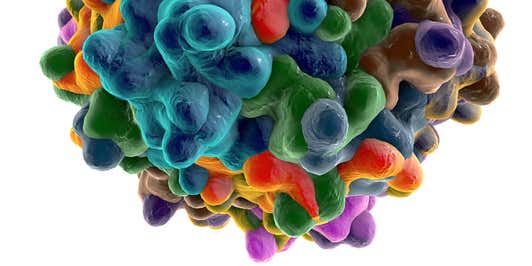
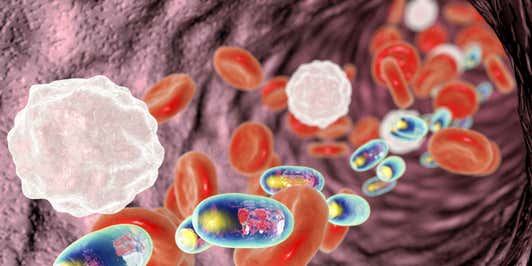
Lentiviruses, a type of retrovirus, can infect both dividing and non-dividing cells by binding to target cell receptors via surface proteins. Their ability to integrate their genome into the host DNA allows for sustained gene expression.
Techniques like nanoparticle tracking analysis and light scattering are invaluable for characterizing lentiviral vectors, providing insights into purity, thermal stability, size, and titer.

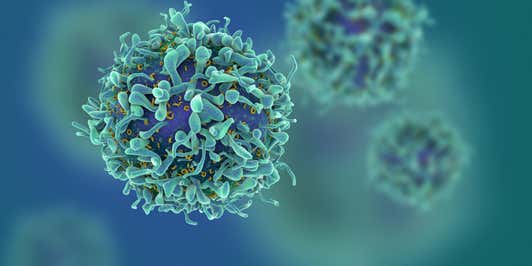

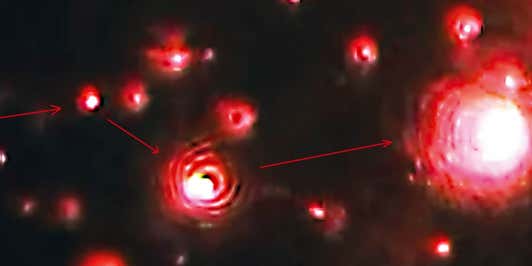



Modified vaccinia Ankara is a weakened strain of the vaccinia virus, which was originally developed as a smallpox vaccine. Modifications mean it cannot replicate efficiently in most cells in mammals, making it ideal for viral vector applications.
When you need data on viral titer, sample purity, thermal stability, and size, nanoparticle tracking analysis and light scattering help you dive deep into your sample’s critical quality attributes.
With a long track record of supporting pharmaceutical organizations bring successful biopharmaceutical products and nano-delivery systems to market, we have the knowhow to help strengthen your analytical workflows and innovate faster than your competition.
From discovery all the way through to quality control, our analytical instruments, supported by an army of problem-solving scientists, can help you turn your therapeutic ambitions into commercial reality.