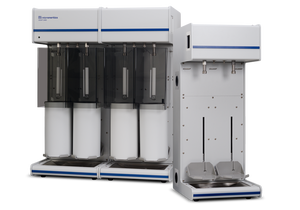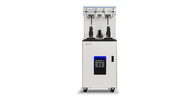
AutoPore V
Mesoporous and macroporous analysis

Advanced mercury and gas porosimeters for high-precision pore structure analysis

Porosimeters (also called a porosimeter) are analytical instruments used to measure pore size distribution, pore volume, and pore structure in a wide range of materials. These insights help scientists and engineers understand how materials behave in real-world applications, from filtration and catalysis to battery performance and pharmaceuticals.
Porosimetry is essential in both R&D and quality control, enabling accurate material characterization that directly influences product performance, regulatory compliance, and manufacturing consistency.
Explore the Micromeritics porosimeter range in more detail.
Mesoporous and macroporous analysis
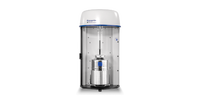
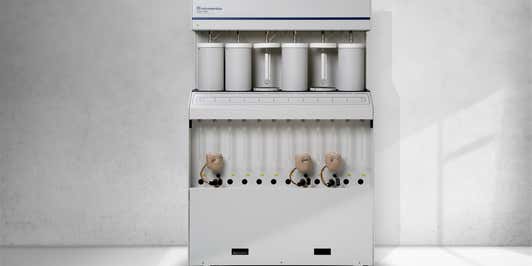
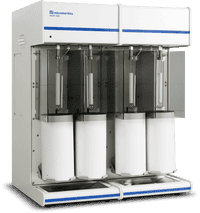
The AutoPore V uses mercury intrusion to characterize pore sizes from nanometers to hundreds of micrometers.
It offers high-pressure capability, fast measurement cycles, and fully automated analysis - ideal for catalysts, battery materials, ceramics, filtration media, and geoscience applications.
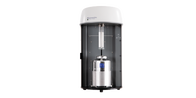
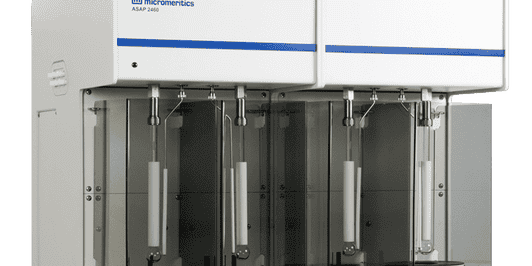
High throughput BET surface area analyzer
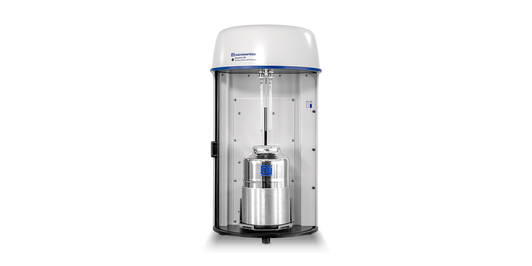
A high-throughput, three-station gas adsorption system suitable for routine surface area and porosity measurements.
Ideal for QC environments requiring repeatable BET surface area measurements and pore size distribution.
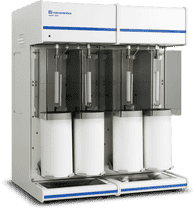
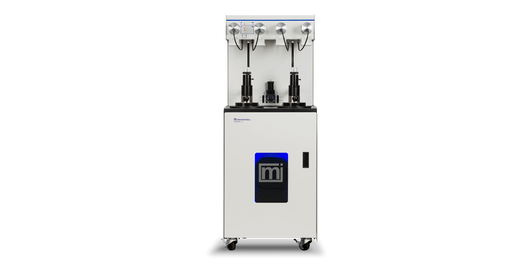
Surface area and porosimetry system
Multi station adsorption instruments designed for laboratories needing increased throughput while maintaining analytical precision.
Perfect for QC labs, catalyst producers, and battery material developers.
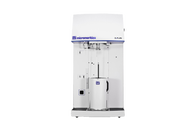
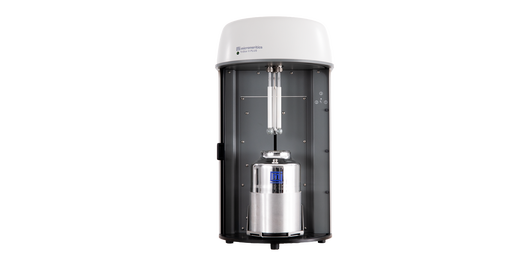
High performance gas adsorption
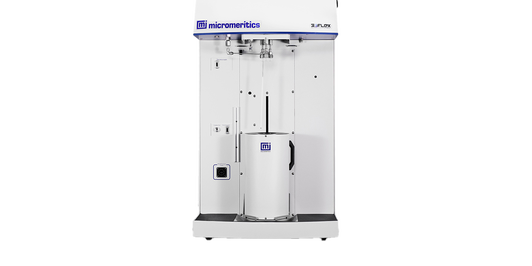
A versatile, high-performance adsorption system supporting micropore, mesopore, vapor sorption, and chemisorption studies.
The modular design accommodates up to three analysis stations with advanced data modeling.
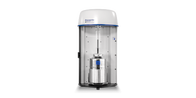
Rapid and precise surface area analysis
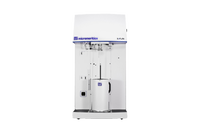
A rapid, cost-effective surface area analyzer optimized for BET measurements using the static volumetric technique.
Ideal for routine QC and material screening.
Porosimeters play a critical role across industries where pore structure influences performance, stability, and functionality.
From R&D to production, porosity data enables better design, formulation, and quality control.
Gas adsorption porosimeters (TriStar II Plus, 3Flex) support surface area and pore size measurements essential for drug formulation, excipient characterization, and dissolution rate prediction.
Both mercury and gas porosimeters help evaluate electrode materials, separators, and conductive additives - properties that directly affect energy density, ion transport, and cycle life.
Micropore and mesopore characterization using instruments like 3Flex and ASAP systems provides insight into active surface area and diffusion behavior.
Porosity influences mechanical performance, permeability, and thermal stability. The AutoPore V is widely used to assess bulk and interconnected porosity in foams, ceramics, and composites.
Mercury porosimetry is used to evaluate pore networks in rocks, cement, and porous building materials for durability, permeability, and structural integrity studies.
Mesoporous and macroporous analysis
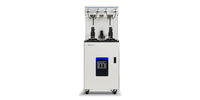
High throughput BET surface area analyzer
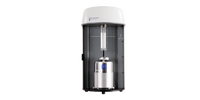
Surface area and porosimetry system
High performance gas adsorption
Rapid and precise surface area analysis