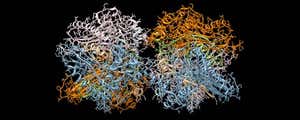
Protein aggregation
Characterization of sub-visible protein aggregates in biotherapeutic formulations


Characterization of sub-visible protein aggregates in biotherapeutic formulations
The biopharmaceutical shift within the drug development industry has focused increasing attention on the behavior of biological molecules in formulations.
Aggregation of proteins is key to formulation and stability assessments, with a recent interest in the 100 nm - 1 µm aggregate size range, identified as an area of concern for immunogenicity and therefore product safety.
Measurement of these parameters can provide valuable information on the suitability of a product formulation, and may also indicate the stability and prospective shelf-life of a product:
Depending on your requirements and/or position on the development pipeline, Malvern Panalytical has an instrument that can provide a suitable level of information on issues around protein aggregation.
Our instruments are designed to ensure your product achieves the desired stability and efficacy.
Our Zetasizer range uses dynamic light scattering (DLS) to detect the polydispersity (size spread) of biopharmaceutical formulations.
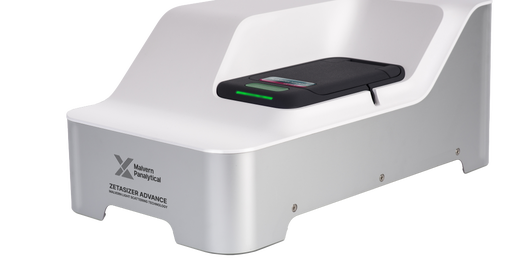
Zetasizer Advance instruments use DLS to deliver precise particle size, zeta potential, molecular weight, and particle concentration analysis.
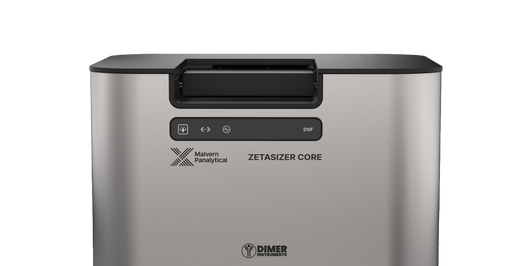
For comprehensive protein stability insights, Zetasizer Core instruments unify DLS, static light scattering (SLS), and differential scanning fluorimetry (DSF) on a single platform, combining aggregation profiling with colloidal stability and structural integrity analysis in one microplate workflow.
Find out more about the Zetasizer range.
NTA particle size analyzers
Our NanoSight Pro instrument uses Nanoparticle Tracking Analysis (NTA). This provides accurate, reproducible analysis and visualization of particles such as protein aggregates in formulation. It operates in the size range of 50 nm to 2000 nm diameter.
Enabling the fluorescence mode in NanoSight Pro instrument also allows specific analysis of labeled or intrinsically fluorescent particles.
Find out more about the Nanosight Pro >>
Light Scattering for every application
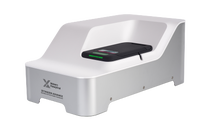
Next generation biophysical screening at scale
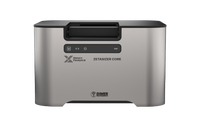
Visually track size and count nanoparticles

Resources