Polymer analysis


The variety of applications for polymers is immense, so it’s no surprise that polymer analysis techniques are also wide-ranging. Before polymeric materials and products can move from the R&D lab to the production line or from the production line to the final customer, their quality and performance need to be tested.
From determining how polymer chains are distributed with checking catalyst content with X-ray fluorescence (XRF), monitoring crystallinity with X-ray diffraction (XRD), or screening particle size and morphology with laser diffraction and static image analysis , Malvern Panalytical provides the cutting-edge solutions for every polymer analysis need.
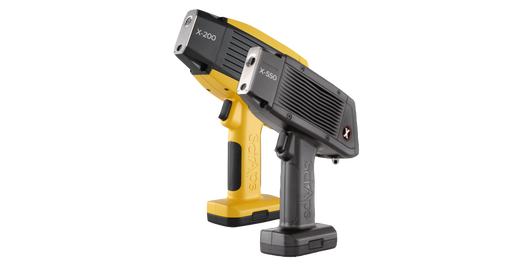
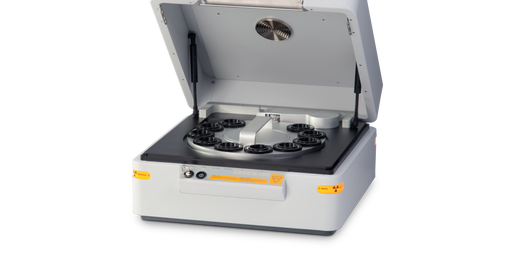
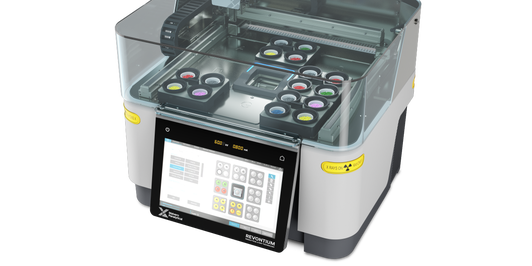
X-ray fluorescence (XRF) is a proven elemental analysis technique used in many industries. When X-rays strike atoms in a material, the atoms emit fluorescent “fingerprints” that indicate the elemental composition of the material. This data is crucial for compliance with global directives concerning toxic metal content such as RoHS-3, WEEE, and ELV.
Malvern Panalytical provides both cutting-edge XRF instrumentation and reference materials for polymer characterization, including ADPOL for additives and fillers analysis and TOXEL for accurate toxic elements analysis.
Investigating the crystal structure and phase composition of polymers is fundamental to understanding and optimizing their performance characteristics. The arrangement of crystalline and amorphous regions within a polymer directly influences its mechanical strength, thermal stability, and chemical resistance, among other properties.
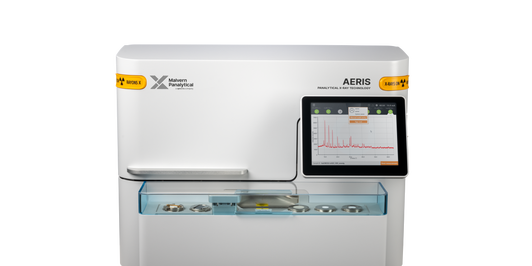
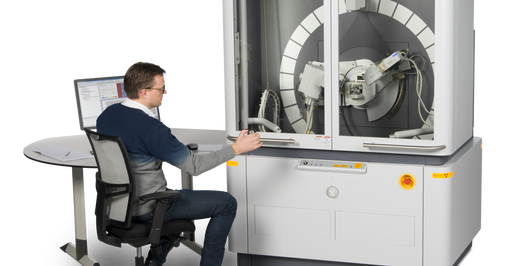
Malvern Panalytical’s X-ray diffraction (XRD) offering includes two best-in-class x-ray diffractometers, the Aeris and Empyrean.
Both these instruments provide a crucial feature for polymer characterization: they are designed to be easily modified with hardware attachments and new software. For instance, Aeris’s modular build enables the easy addition of attachments and add-ons, and Empyrean’s PreFIX concept allows users to switch between different configurations without laborious re-alignment procedures, achieving unrivaled flexibility.
This flexibility also supports greater sustainability. With microplastics becoming a growing concern, future regulations are likely to tighten requirements for polymer screening to prevent environmental damage. Future-proofed XRD instruments are ready for any new analytical processes, giving deeper insights into the environmental impact of polymers.
World's most popular particle size analyzers
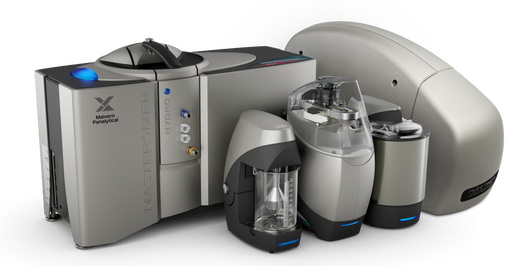
Particle size distribution analysis plays a crucial role in the field of polymers by providing essential insights into both the raw materials and the finished products. This analytical process helps characterize the size range and distribution of particles, which directly influences the mechanical, thermal, and chemical properties of the polymer.
Laser diffraction measures the angular variation in intensity of a scattered laser beam, and uses this to generate information on size distributions. The Mastersizer 3000+ is a versatile, compact LD instrument that aligns with the analytical requirements and demanding workflows of today’s laboratories.
Rapid, automated particle characterization
Polymer morphology is essential for examining how polymer chains' arrangement, branching, and molecular weight influence a polymer's structural and mechanical properties. Branching and molecular weight distribution are particularly crucial.
The arrangement of polymer chains – including the degree of branching and the distribution of molecular weights – plays a significant role in determining characteristics such as mechanical strength, viscosity, thermal behavior, and chemical resistance. For instance, branching can influence how polymer chains entangle and interact, affecting the density and flexibility of the material. Similarly, variations in molecular weight impact processability and the overall performance of the polymer, with higher molecular weights often leading to enhanced toughness and strength.
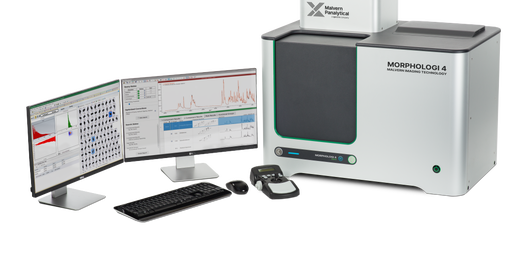
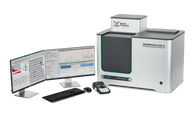
The Morphologi 4-ID is specifically designed to analyze polymers. It provides detailed morphological descriptions of particulate samples through static image analysis, enabling the measurement of various parameters such as particle size and shape. This system is particularly effective for characterizing polymer particles, including those used in applications like powder bed fusion processes.
The Morphologi 4-ID combines automated imaging with chemical identification capabilities, allowing for the comprehensive analysis of polymer structures and properties, which is essential for optimizing material performance in various applications.
With their range of unique properties, new and advanced polymers play an important role in the drive toward more sustainable materials. Developing, manufacturing, and ensuring the quality of these polymers requires the most cutting-edge tools and expertise. This is why Malvern Panalytical is your partner in discovery.
Our application specialists are experts in their field and can help you combine your know-how with our measurement expertise. From instrumentation to operator training, sample preparation assistance, and maintenance support, we are ready to assist you across every step of your polymer development and manufacturing process.