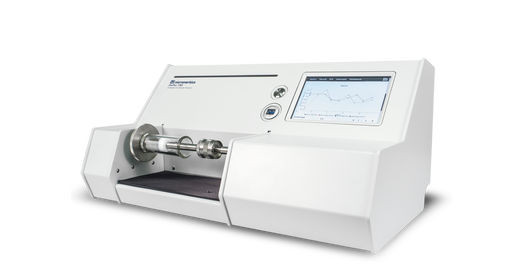

Performance under pressure: publication-grade high-pressure adsorption with walk-away automation. Join us on June 30

Join us on June 30

Cleantech

Enabling clean technology innovation with precision material characterization

Cleantech

Cleantech (also known as clean technology, green technology or climatetech) is the set of innovations that reduce environmental impact, improve resource efficiency and support the transition to a low carbon economy.

Malvern Panalytical supports cleantech R&D and production with a broad portfolio of analytical instruments for particle and material characterization, crystallography and elemental analysis. By delivering reliable insights into particle size and stability, surface area and porosity, phase composition and trace elements, our solutions help teams optimize performance, improve quality control and shorten development cycles across emerging clean technology applications.

Carbon capture and storage solutions

Carbon capture, utilization and storage (CCUS) and carbon capture and storage (CCS) help decarbonize hard to abate industries by capturing CO2 from point sources (and increasingly from direct air capture), then storing it securely or converting it into useful products.

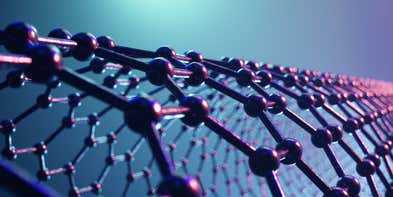
To develop, scale and operate these technologies reliably, teams need robust characterization of sorbents e.g. MOFs, membranes, catalysts and supports, both before and after exposure and repeated adsorption–regeneration cycling. Malvern Panalytical instruments support this work across research, scale up and quality control by linking material structure, composition and particle properties directly to capture performance and durability, including:

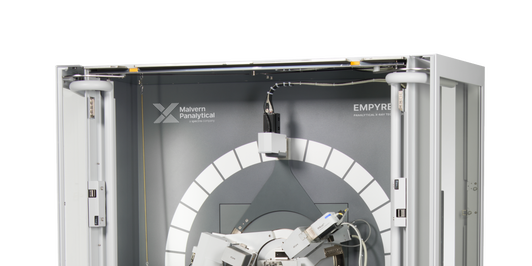
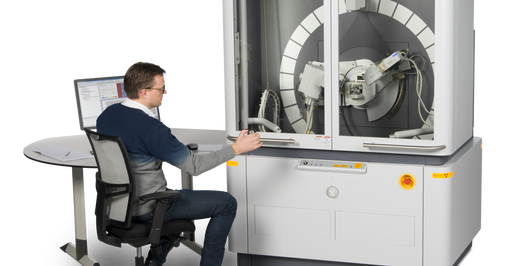
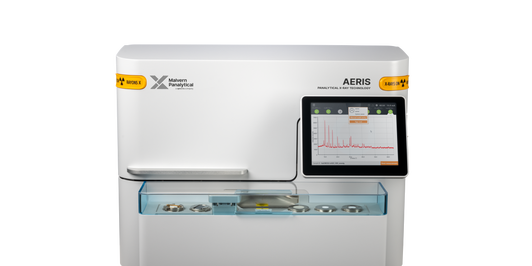
  • XRD (Aeris / Empyrean) for phase identification, crystallinity changes and degradation tracking after adsorption/regeneration cycles
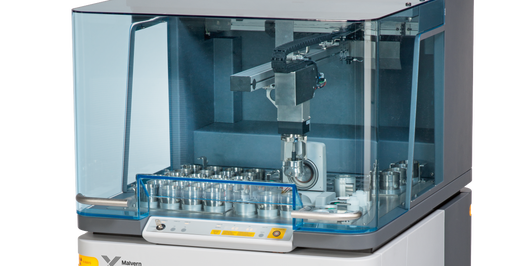
  • XRF (Zetium / Epsilon 4) to quantify elemental composition, catalyst loading and impurities that can affect capture performance
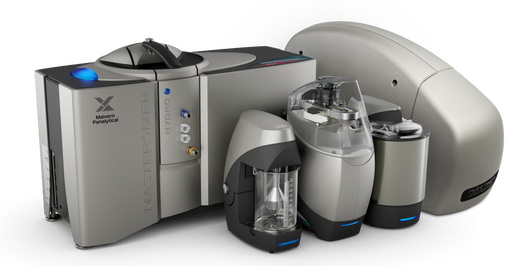
  • Particle size distribution (Mastersizer) to optimise packing, permeability and processing consistency of sorbents and supports
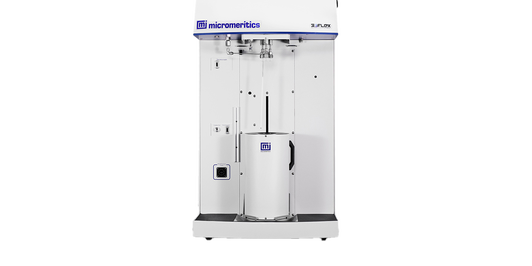
  • Surface area and porosity (TriStar / 3Flex) BET surface area and pore structure linked to CO₂ capacity and kinetics
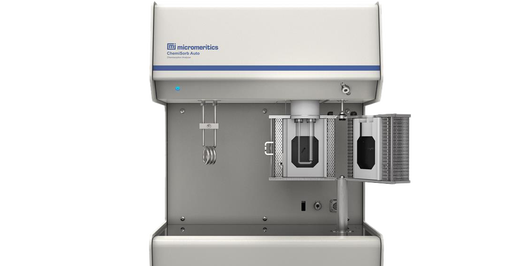
  • Chemisorption (AutoChem / ChemiSorb Auto) Active site density and metal dispersion in catalysts and functionalized sorbents
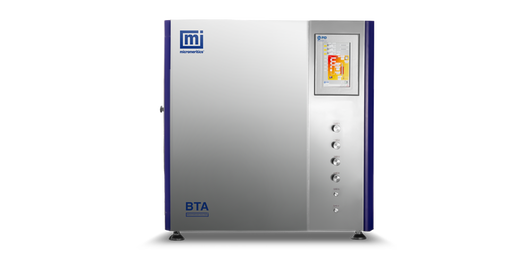
  • BreakThrough Analyzer (Micromeritics) for dynamic breakthrough testing to evaluate gas separation performance of adsorbents under realistic conditions
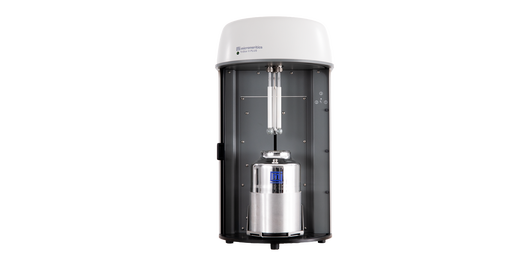
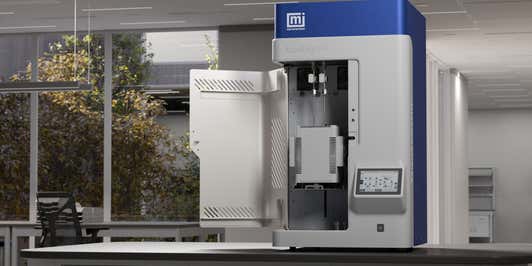
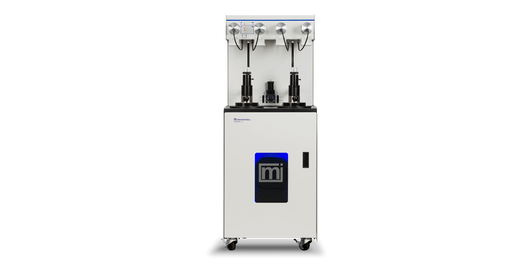
  • HPVA (Micromeritics) for high pressure volumetric adsorption measurements to characterize gas uptake and capacity of capture materials

By combining crystallographic, elemental, particle, surface area, porosity and chemisorption measurements, teams can accelerate materials screening, make confident scale-up decisions and strengthen quality control for CCS and CCUS technologies.
Aeris

Compact benchtop X-ray diffractometers
Aeris

Empyrean

The intelligent diffractometer
Empyrean

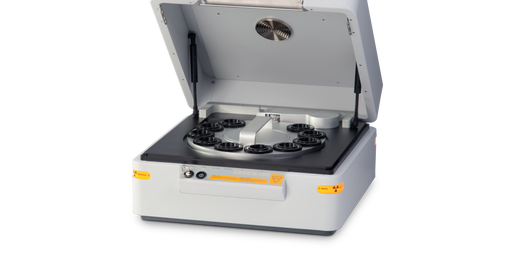
Epsilon 4

Fast and accurate at-line elemental analysis
Epsilon 4

TriStar II Plus

High throughput BET surface area analyzer
TriStar II Plus

3Flex

High performance gas adsorption
3Flex

AutoChem III

A catalyst characterization laboratory in a single instrument
AutoChem III

HPVA II

High-pressure volumetric analyzer for material analysis
HPVA II

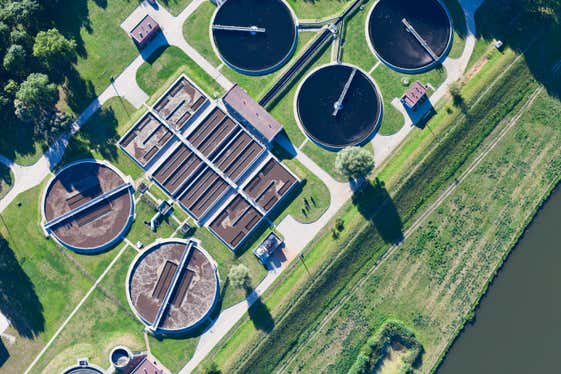
Water treatment solutions

Clean water is fundamental to public health, industry and environmental protection. Modern water treatment is also cleantech: it aims to deliver compliant water quality while reducing chemical consumption, energy use, sludge production and downtime.

Malvern Panalytical supports optimization of key clarification steps such as coagulation, flocculation and sedimentation by providing quantitative measurements to understand particle interactions, aggregation behaviour and separation performance. These insights help operators:

  • Quantify charge neutralisation and optimise coagulant dose
  • Monitor floc growth and stability to improve settling and filtration efficiency
  • Respond faster to fluctuations in raw water quality using quantitative, repeatable measurements

The result is stronger process control, reduced rework and more cost effective, sustainable operation.

Our solutions

Relevant analytical solutions for water and wastewater treatment include:

  • Mastersizer for particle size distribution of suspensions and slurries (e.g., tracking floc size growth, filterability and settling behaviour)
  • Epsilon 4 / Zetium (XRF) for elemental analysis to support contaminant screening and process chemistry monitoring (e.g., metals in solids, coagulant-related elements, and sludge composition)
  • Aeris / Empyrean (XRD) for phase identification and mineralogy of solids (e.g., scale, precipitates, filter cake and sludge) to help diagnose root causes and optimise treatment steps

Water Treatment

Measuring zeta potential to aid water clarification
Water Treatment

Zetium

High end floor-standing WDXRF spectrometers
Zetium

Epsilon 4

Fast and accurate at-line elemental analysis
Epsilon 4

Empyrean

The intelligent diffractometer
Empyrean

Aeris

Compact benchtop X-ray diffractometers
Aeris

Cleantech in automotive and aerospace sectors

Automotive and aerospace organizations are under pressure to cut lifecycle emissions while maintaining safety, reliability and cost competitiveness. Cleantech innovation in these sectors includes alternative propulsion, electrification, lightweight materials and lower carbon fuels.

Malvern Panalytical helps engineering and materials teams develop and control these technologies by providing robust measurements that support R&D through to manufacturing, including:

With faster insight into material properties, teams can make confident decisions that support decarbonisation targets without compromising performance.

Automotive and aerospace

Material characterization solutions for the aerospace, automotive and defen...
Automotive and aerospace

Zetium

High end floor-standing WDXRF spectrometers
Zetium

Aeris

Compact benchtop X-ray diffractometers
Aeris

Epsilon 4

Fast and accurate at-line elemental analysis
Epsilon 4

Insitec range

On-line process particle size analyzers
Insitec range

Precision agriculture

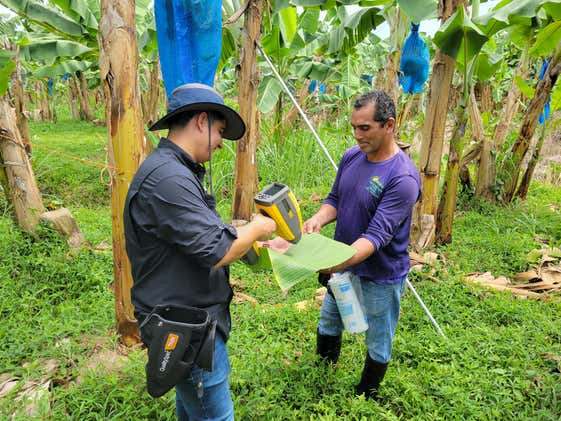
Precision agriculture uses data, sensors, and analytics to apply the right input, at the right rate, in the right place, and at the right time. This improves yield and quality while reducing waste, runoff, and overall environmental impact.

Malvern Panalytical's Smart Return: Agriculture supports sustainable farming through fast, field-based measurements that deliver lab-quality insight closer to the point of decision. Real-time information helps farmers and agronomists:

  • Monitor crop and soil status more frequently across a field (with location context such as GPS)
  • Target fertiliser and nutrient application to reduce input costs and support productivity
  • Respond quickly to changing conditions using actionable, local data

By combining rapid measurement with cloud-based analytics and models, Smart Return helps improve efficiency and sustainability at scale.


Precision agriculture

Improve yield and reduce costs with real-time, lab-quality results in the f...
Precision agriculture

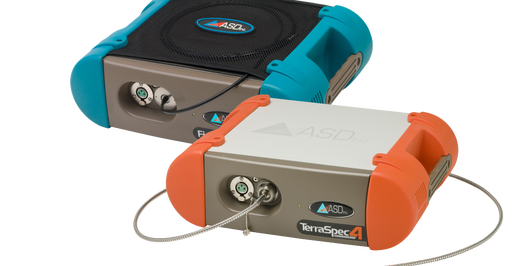
ASD range

Field-ready full-range spectroradiometry
ASD range

Green cement and concrete solutions

Cement and concrete are essential materials, but clinker production is energy-intensive and contributes significantly to global CO2 emissions. Cleantech approaches span alternative fuels, alternative raw materials and raw meal, clinker optimization, supplemental cementitious materials (SCMs) and blended cements, alongside lowering the clinker factor, and tighter process control to reduce waste and rework.

The use of alternative fuels (decarbonization) and alternative raw materials (decarbonization and circularity) requires tight control of incoming materials and clinker mineral formation to avoid negative effects on reactivity—and to enable the clinker content in cement to be reduced as far as possible

Malvern Panalytical supports greener cement production by enabling rapid, reliable characterization of raw meal, clinker and blended cements. For example, the Aeris Cement edition XRD system directly measures mineralogical composition, helping plants:

  • Control clinker formation and kiln performance using mineral phase information
  • Support quality assurance of blended cements by identifying and quantifying phases
  • Reduce feedback loops with fast analysis (e.g., minutes per sample) to enable earlier intervention

Combined with complementary techniques such as XRF for elemental composition, these insights help manufacturers meet performance standards while progressing decarbonisation goals.

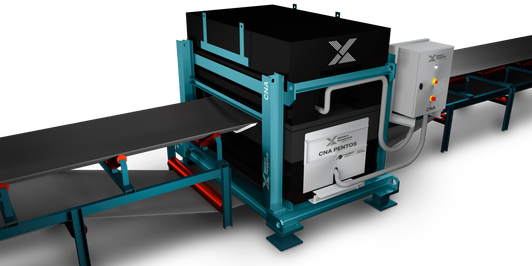
  • Online CNA Pentos cross-belt analyzer can provide real-time elemental analyses at quarry, stockpiles or raw mills to optimize low-grade materials, reduces chemical variations, and enables immediate mix corrections for stable kiln feed. Benefits include lower fuel/energy use, extended refractory life, CO2 reductions via alternative fuels/raws, and lab cost savings—no sampling needed.
  • Mastersizer 3000+ in the lab (or on-line Insitec for process control) complete these X-Rays solutions by providing fast and accurate information about the particle size distribution, linked to energy savings (grinding mill) and enhanced reactivity (SCMs), on top of regular QC.

Micromeritics instrumentation brings even more insights by characterizing physical properties that influence reactivity, water demand, strength development and durability in cement and SCMs, including:
  • Surface area & porosity (gas adsorption): to compare fineness/reactivity of SCMs and understand pore structure development in cementitious systems (e.g., TriStar II Plus).
  • Macro/mesoporosity (mercury intrusion porosimetry): to quantify pore size distribution and total pore volume that impact permeability and durability (e.g., AutoPore V).
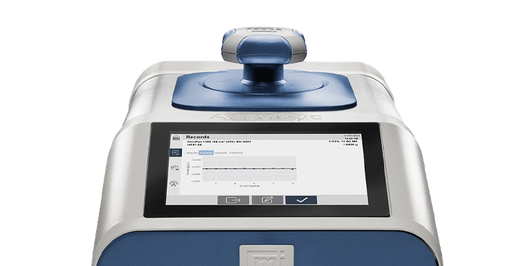
  • Density (pycnometry / envelope density): to improve mix design calculations and track changes in powders and formed pieces (e.g., AccuPyc and GeoPyc).
  • Dynamic powder rheology to prevent issues like poor hopper flow, segregation, or caking during storage and transport, improving efficiency in blending, dosing, and quality control. It also allow to quantifies how humidity or minor batch variations affect flowability, enabling precis e specifications for consistent product quality (FT4 Rheometer) 

Cement analysis

Supporting efficient, high-quality, sustainable cement production
Cement analysis

CNA Pentos

Real-time on-line process control
CNA Pentos

TriStar II Plus

High throughput BET surface area analyzer
TriStar II Plus

AutoPore V

Mesoporous and macroporous analysis
AutoPore V

GeoPyc

Envelope density measurement
GeoPyc

Related resources