Catalyst characterization
Analytical catalytic material characterization instruments for users, manufacturers, and researchers


Catalysts will shape the future of hydrogen, CCUS, sustainable chemicals, and circular manufacturing. Hear industry, academic, and standards experts discuss what's next. Explore the Future of Catalysis
Explore the Future of CatalysisAnalytical catalytic material characterization instruments for users, manufacturers, and researchers
According to estimates, 90% of all commercially produced chemical products involve catalysts at some stage in their manufacture. The demand for catalysts is estimated to be about $40 billion and is expected to grow over the next decade with a CAGR of around 4.5% as demand for chemicals, polymers, and synthetic fuels increases. At the same time, there is the need to reduce process costs, energy use, and emissions. Some sectors will see much more dramatic growth with synthetic fuels in particular set to grow dramatically over the coming decade. Sustainable Aviation Fuel (SAF) is the prime example here with production set to grow from millions of gallons to billions of gallons.
However, it is not only demand that will drive the need for new and innovative catalysts. Environmental demands are also driving the need for not only cleaner energy but also the utilization of waste materials such as plastics and the excess CO2 in our atmosphere. There has been much development in recent years of green hydrogen production, gasification and pyrolysis technologies, which ultilise carbon containing waste alongside even newer approaches such as chemicals from air to provide molecules that can be further synthesised. Examples include:
These requirements are in addition to the traditional use of catalysts in the petrochemical industry in fluid catalytic cracking (FCC) and reforming, catalytic converters for the automotive industry and production of other important chemicals such as ammonia, methanol and sulphuric acid.
Characterization and performance optimisation are critical in the field of catalysis. From design and development through scale-up and manufacturing to QC, it is important that the properties of the catalyst are well defined. Catalytic reactions typically take place under high temperatures and pressures, and as with any continuous process, they need to run as long as possible before the reactor must be recharged to favour the economics.
The catalysis industry makes use of a metric to quantify performance: Turn Over Frequency (TOF) defines the number of reactant molecules converted to product molecules per active site per unit time. Understanding catalyst activation, selectivity, reactant and product diffusion through the bed or column together with product yield and purity, and deactivation mechanisms are all important areas to investigate and understand as they contribute to TOF.
Studying the fundamental structure and chemistry of supported metal catalysts and the zeolites typically used in heterogeneous catalysis requires the use of many techniques to understand their reactivity and performance. The chemistry and structure, porosity, pore size and volume, metal dispersion together with process conditions including reactor packing, feed composition and rate, temperature and pressure, all must be researched and developed in taking a catalyst through design, development, scale-up and use.
Digital catalysis is now an important area of work and seeks to make use of large data sets alongside machine learning and AI tools that will enable catalysts of the future to be designed with reduced levels of trial and error. High-quality, detailed data delivered from the technologies we offer is another contribution we can make to the catalysts of the future.
Malvern Panalytical have a range of complementary solutions for the physical, structural, and elemental analysis of catalyst materials. Gas and mercury porosimetry to determine surface area and pore size distribution and volume, chemisorption to determine metal surface area and dispersion and static light scattering to measure particle size. Additionally, XRF measures elemental composition and XRD determines fundamental crystal structure. Catalyst performance can be studied and optimised using our bench top reactor technology and bespoke pilot plants to study scale up. Lastly our density instrument scan be used to measure true, envelope and bulk density and are useful throughout all stages of the catalysts design and use cycle.
Gas porosimetry enables the measurement of BET surface area and micro/meso pore size distributions (0.35 nm ≤ 50 nm). Mercury porosimetry provides data in the meso/macropore range (3.6 nm ≤ 1,100 µm). This data may be used together in a unified method for pore volume to report micro, meso and macro areas and volumes. The porous properties of the catalyst support impact metal loading/dispersion and diffusion of both reactant and product molecules in use. Initial and in-use characterisation are important fundamental properties that influence design, chemistry and the time for which they can be used if sintering or blockages occur in the process.
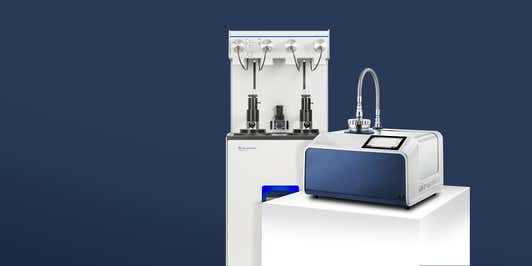
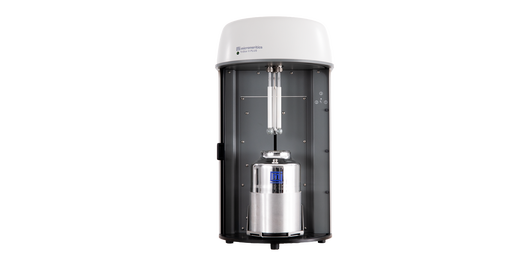
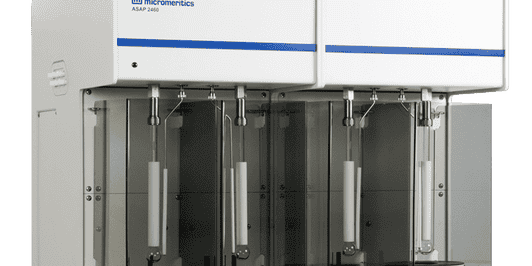
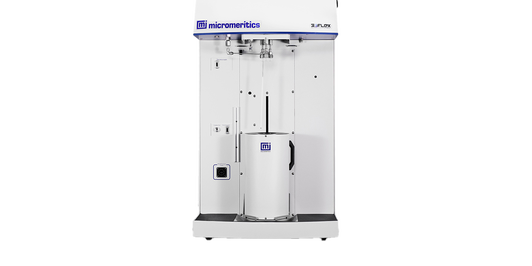
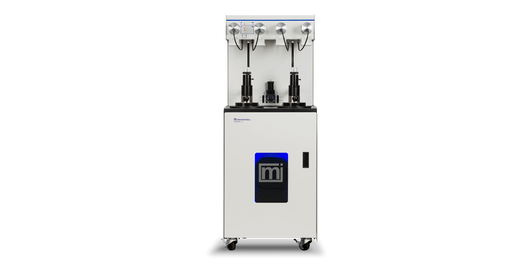
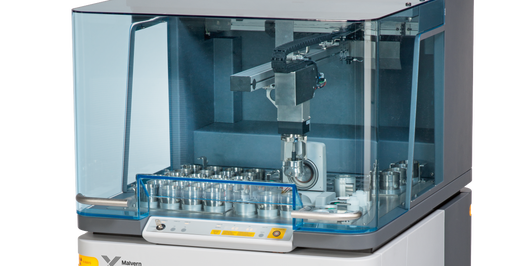
Micromeritics range of gas porosimeters includes multi-station and on-demand analysers in the form of the TriStar, ASAP 2460 and ASAP 2425 and the 3Flex high-resolution micropore analyser delivers exceptional low-pressure data, needed for accurate micropore analysis. Micromeritics AutoPore technology provides mercury porosimetry, studying larger meso/macro pore sizes and porosity, important for understanding reactant and product transfer.
Use of static and dynamic chemisorption experimentation is routine in the catalyst industry. These techniques are used to determine metal surface area, dispersion, and crystallite size. Dynamic chemisorption can also be used to study activation through temperature-programmed reduction (TPR), the range and strength of chemisorbed species through temperature-programmed desorption (TPD), and surface chemistry through temperature-programmed surface reactions (TPSR).
Temperature programmed oxidation (TPO) is another important technique that can be used to study samples that have deactivated due to carbon deposition. In-situ dynamic analysis is a further option where the analysis system can be connected across the reactor, enabling the catalysts to be characterised in-situ at the start and end of an experimental cycle.
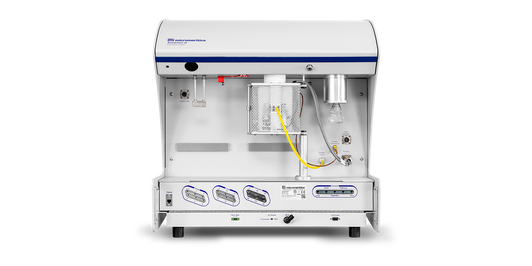
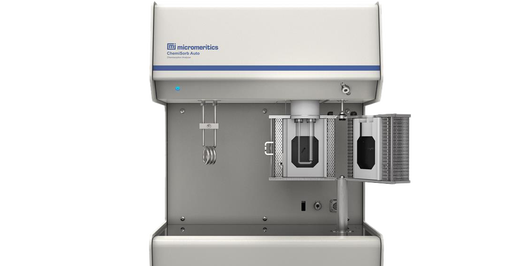
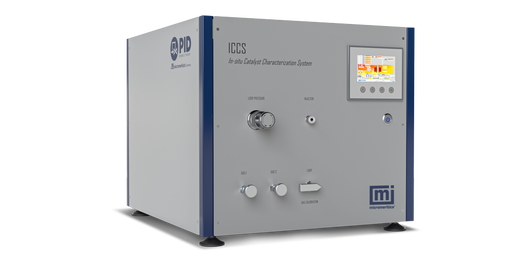
Micromeritics AutoChem and ChemiSorb Auto offer dynamic chemisorption routines whilst the 3Flex can be used for both static and dynamic chemisorption. Our In-situ Catalysts Characterisation System (ICCS) connects directly across the reactor and enables in-situ dynamic chemisorption experimentation.
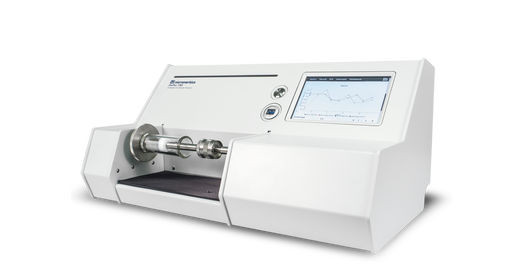
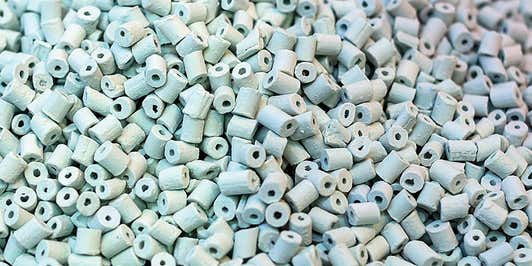
Micromeritics offers two pycnometry technologies: the AccuPyc and GeoPyc. The AccuPyc is a gas pycnometer that determines true density, a useful QC metric since whether a single element or mixture of materials in known proportions are measured, true density can be accurately defined and monitored. The AccuPyc is fast, easy and accurate and can differentiate density to the fourth decimal place. The GeoPyc offers both envelope and bulk density measurement. Envelope density can be carried out in samples such catalyst extrudates and together with the AccuPyc true density allows sample porosity to be determined.
Bulk density is useful metric for particulate materials and be determined with differing consolidation force. Bulk density is influenced by a number of parameters but principally size and shape distributions which can be investigated with our Mastersizer and Morphology products.
X-ray fluorescence (XRF) is widely used for analyzing the elemental composition of a range of catalysts due to its high precision and reproducibility. Examples include Pt, Pd, and Rh in catalytic converters; Al, Ni, V, Ti, Fe, and S in FCC catalytic processes; and Si/Al ratios in zeolites. XRF can also be used to detect the presence and concentration of catalyst poisons that cause chemical deactivation, including Cl, S, Sn and Pb.
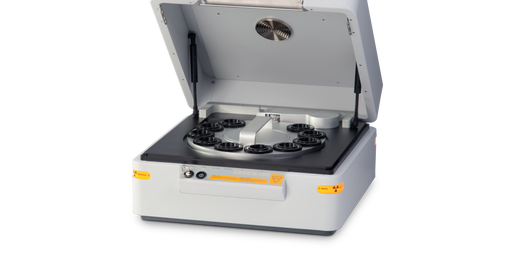
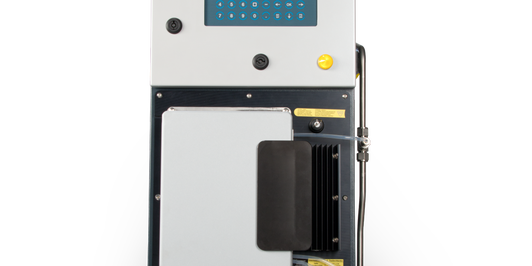
XRF analysis can save a lot of time and money compared with alternative techniques, and Malvern Panalytical provides three main solutions: EDXRF benchtop systems such as Epsilon 4, floor-standing WDXRF systems such as Zetium, and on-line solutions such as Epsilon XFlow.
Malvern Panalytical also provides several sample preparation solutions for XRF, ICP, and AA through its Claisse portfolio.
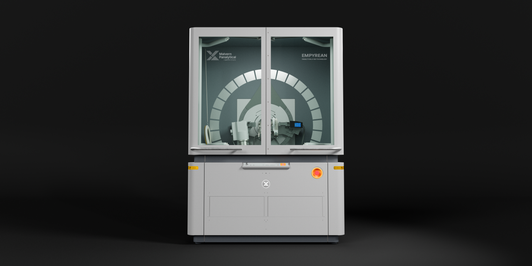
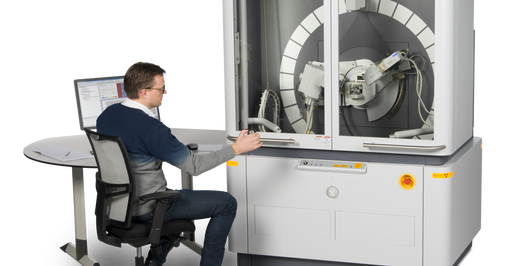
X-ray diffraction (XRD) is a fundamental tool for the design, development and production of catalysts since it can provide information on the bulk structure and composition of solid catalyst materials such as metal oxides and Zeolites. XRD systems are routinely used for monitoring the production of FCC catalysts, in particular analysing unit cell size and crystallinity.
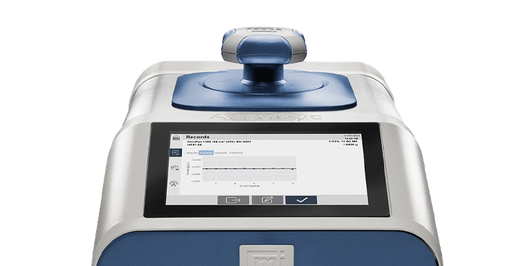
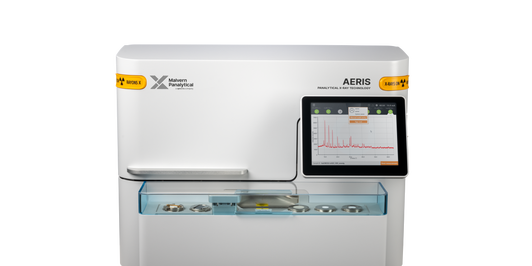
XRD can also be used to determine crystallite size either by analysing peak widths from a typical diffraction measurement or by using Small Angle X-ray Scattering (SAXS). Non-crystalline materials can also be studied using Pair Distribution Analysis (PDF). Malvern Panalytical provides two main XRD solutions: Aeris compact XRD diffractometer for routine analysis, and the Empyrean multi-purpose diffractometer for more detailed structural analysis.
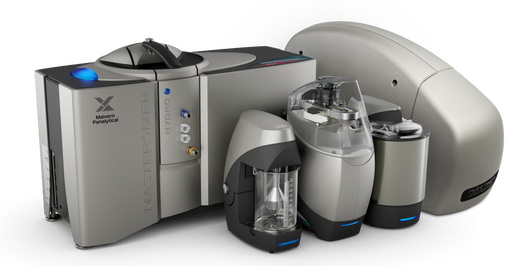
Laser diffraction is a widely used particle sizing technique for materials ranging in size between hundreds of nanometers and several millimeters, and can be applied to wet or dry dispersions in the laboratory or on a process line. For catalyst applications, the particle size data generated using laser diffraction can be used to calculate a specific surface area (SSA) by converting the reported volume distribution into a surface area distribution.
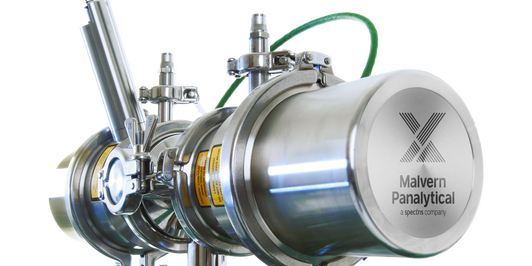
Pressure titrations can also help to understand the risk of attrition, an important factor for predicting the life of catalysts in fluidized bed reactors. Malvern Panalytical’s Mastersizer is the most widely used particle sizing tool for catalyst analysis in a laboratory setting, while Insitec can be used for on-line analysis in a production environment.
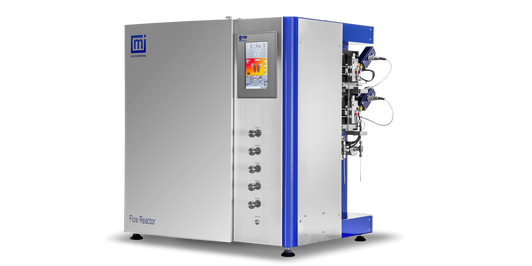
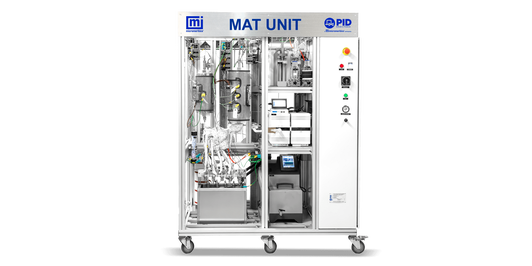
Catalyst characterisation is only half of the story! Having produced a catalyst, it then needs to be evaluated for performance. This is where our PID Flow Reactor and Pilot Plant technologies can be used to perform the chemical reactions of interest over time. These technologies allow for the study of activation, feed composition and rate, temperature and pressure. Our PID reactor technology is highly customisable and features patented technologies for pressure control, solids feeding and gas/liquid or gas/liquid/liquid separation in near real time. These units can also interface with other technologies such as the ICCS, mass spectrometers and GC for the analysis of the product stream.
We have, over many years, produced units for use in gasification, pyrolysis, Fischer-Tropsch, ammonia, pressure/temperature swing adsorption processes as well as photocatalysis. Safety is key here, and our reactor technologies offer comprehensive safety functions, including the ability to interface with central laboratory alarm systems.
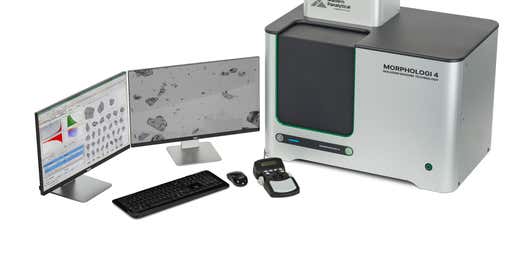
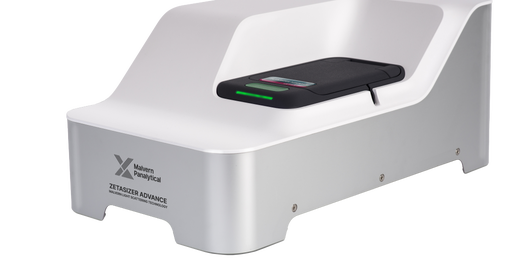
In addition to the techniques mentioned above, Malvern Panalytical offers several other solutions for catalyst analysis, including the Zetasizer, which is used to evaluate the size and stability of particulate dispersions, and the Morphologi 4, which uses image analysis to determine particle shape and size distribution. The Morphologi 4 is also available with an integrated Raman spectrometer, which provides particle-specific chemical information.